
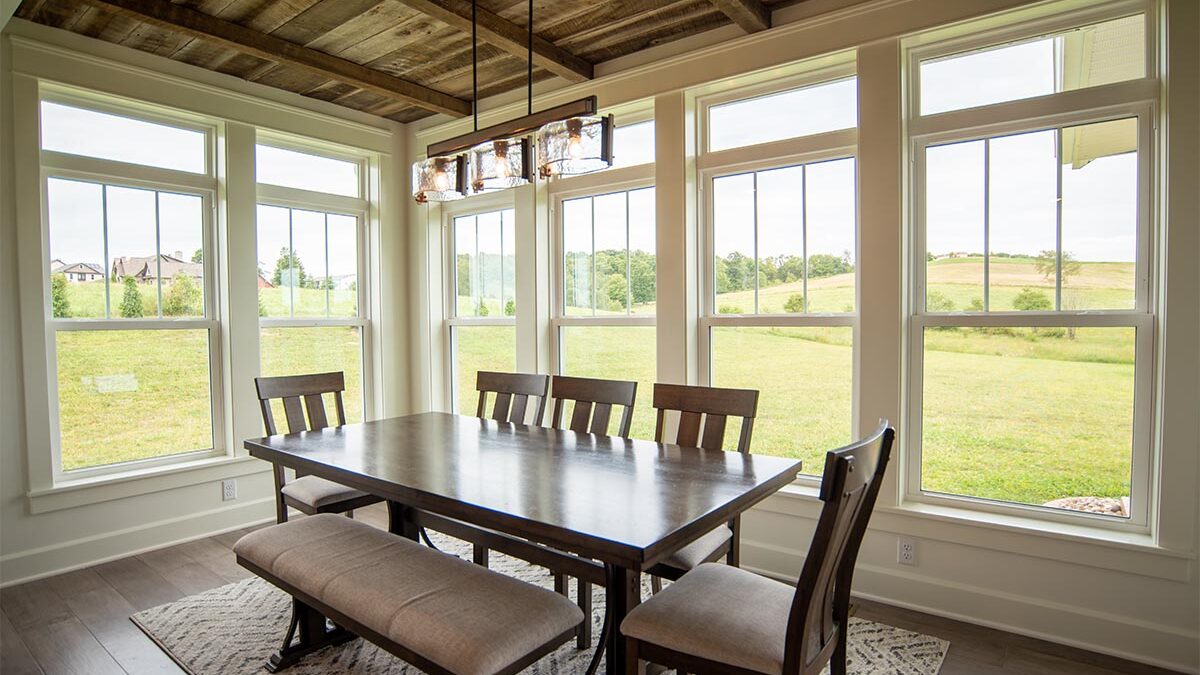
In Baltimore, MD, prices of new windows can vary. It all depends on the type of window, the size, and what embellishments you choose to have on them. Most people are not going to go out and buy windows with diamonds embedded in them, but decorative things like stained glass can be popular in some homes.
Key takeaways
- Vinyl windows in Baltimore are typically more budget-friendly, while fiberglass is more of an upgrade.
- The two biggest cost drivers are frame material and glass or pane type.
- Homes in Baltimore’s 30-plus local historic districts may need CHAP review, which can add time and cost.
- Get an accurate, free quote from a professional at Master Seal in Baltimore.
Window costs in Baltimore
When homeowners ask how much new windows cost, most are really asking about window replacement cost in their local market. Window replacement costs depend on location, material, and glass type.
Fiberglass windows in the Baltimore market run higher. A home with 10 to 15 windows can expect a whole-house project total that’s higher than a smaller rowhome for vinyl, with fiberglass and premium styles moving the total higher.
Labor, material, and the condition of the existing openings all move the final number. The two biggest cost drivers are frame material and glass or pane type. Homeowners who want an exact figure should get a free on-site quote from a local installer.
Window replacement cost by style
- Window style changes the price because each design needs a different amount of glass, hardware, and framing. Single hung window cost stays low because only the bottom sash moves, which means simpler hardware.
- Double-hung window cost is a step higher since both sashes operate and tilt in for easy cleaning. See our double-hung windows page for details.
- Bay window cost rises because the unit projects outward and needs structural framing and support.
- Bow window cost usually exceeds bay pricing because it uses four or more panels in a gentle curve.
- Picture window cost depends heavily on size, since these fixed-glass units carry no operating hardware but can use very large panes.
- Casement window cost reflects the side hinge and crank hardware, which add precision and price.
- Sliding window cost sits in the middle of the pack because the track system is simpler than casement hardware.
- Awning window cost typically falls near casement pricing, since both styles use a hinge and crank operator.
Browse our window photo gallery to see bay and bow window examples before you choose.
Specific window features that affect cost
Glass
Most windows for your home come in single-, double-, and triple-pane glass. Single-pane windows are the least efficient for energy conservation. Cost-effectiveness of double- and triple-pane windows varies by manufacturer, hardware, and size.
If you save on panes by choosing single-pane windows, you should know you’ll lose a significant amount of heat from your home during the winter months. A higher install price may save you money over time on your electric bill, especially during heat waves and cold snaps.
Window gas
This is a gas injected between the panes of double- and triple-pane windows. We make it out of argon, which is denser than air. The gas injected in your windows reduces heat transfer between the indoors and outdoors. Argon gas windows cost more per window than comparable air-filled units, a modest premium for the added efficiency.
Window coating
Window coatings can help to control heat transfer. These coatings can increase window costs by up to 15%, but you can get up to a 50% reduction in energy or heat transferred through that window. This process reduces heat transfer in winter and summer. It will also shade furniture and other fabrics, helping them resist sun damage.
Window frames
Window frame materials vary, though we usually build residential windows from fiberglass or vinyl, while commercial properties more often use steel. Fiberglass can be more expensive than vinyl, but it is a much stronger material. Expect fiberglass frames to add roughly 20% to 30% to the window price compared with vinyl. For added security and durability, consider fiberglass-framed windows.
Window frame insulation
The less expensive your window, the less insulation it likely has. The higher the grade of insulation, the more the window will cost. Upgraded insulated frames typically add 10% to 15% to the window price. Insulated window frames reduce drafts and heat transfer caused by gaps in your inner wall insulation.
Energy-efficient windows cost more up front, but that premium is easier to justify when you look at the numbers. The U.S. Department of Energy reports that heat gain and heat loss through windows are responsible for 25% to 30% of residential heating and cooling energy use.1
Vinyl vs. fiberglass window frame cost
Vinyl windows cost less than fiberglass, which makes vinyl the most common choice for budget-conscious replacements. In Baltimore, vinyl windows cost about 20% to 30% less than a comparable fiberglass unit.
Fiberglass is stronger than vinyl and expands and contracts very little with temperature changes, so its seals tend to last longer. Vinyl is still durable and low-maintenance and offers better value for most homes. If you plan to stay in your home for decades and want maximum strength, the cost gap between vinyl and fiberglass windows may be worth it.
Wood frames offer classic curb appeal but require regular painting or staining and can rot if neglected. Composite frames blend wood fibers and polymers for a wood-like look with better moisture resistance.
| Material | Durability/lifespan note |
|---|---|
| Vinyl | 20 to 40-year lifespan with low maintenance |
| Fiberglass | Stronger frame; often 30 to 50 plus years |
| Wood | Classic look; needs painting and can rot if neglected |
| Composite | Wood-like appearance with better moisture resistance |
Schedule a free, in-home estimate with Master Seal to compare the price of vinyl vs. fiberglass windows for your next project.
Window replacement in Baltimore’s historic districts
Window installation in Baltimore, MD, follows a different path when the home sits inside one of the city’s 30-plus local historic districts. Homes in these districts fall under CHAP, the Commission for Historical and Architectural Preservation, which reviews exterior changes to protect the character of each neighborhood. If your home is in a designated historic district, you may need CHAP approval before replacing windows.
CHAP design review applies to changes that are visible from the street, and windows are usually part of that review. The commission can require certain materials, muntin patterns, or finishes that match the home’s original look, which can narrow your product options and raise the price. The review process also adds time, so homeowners should build extra weeks into their timeline. Application and permit fees can add to the window replacement cost as well.
Because each district and each home is different, it is worth checking with CHAP or a local installer before choosing windows. A contractor with experience in historic district approvals can help the project move smoothly and avoid costly revisions.
Master Seal new window installation
When you come to Master Seal to choose new windows in Washington, DC, and Baltimore, MD, we will schedule an appointment to install them. Window installation can be problematic if done incorrectly. You can count on our professional installation team to have your windows in place quickly and with quality service. We know you’ll love your new windows when our pros complete the install.
Frequently asked questions
Most single-family homes in Baltimore have 10 to 15 windows. Whole-house window replacement cost for that range should be estimated with an in-home consultation. Fiberglass and specialty styles push the total higher.
Vinyl is the cheaper option. Vinyl windows cost about 20–30% less installed in Baltimore than fiberglass windows. Fiberglass is stronger and longer-lasting, so the cost gap between vinyl and fiberglass windows really comes down to budget versus durability.
Yes, it often does. Homes in one of Baltimore’s 30-plus local historic districts may need CHAP approval, and the commission can require materials or appearances that cost more than standard windows. The extra design review can also add weeks to the project timeline.