

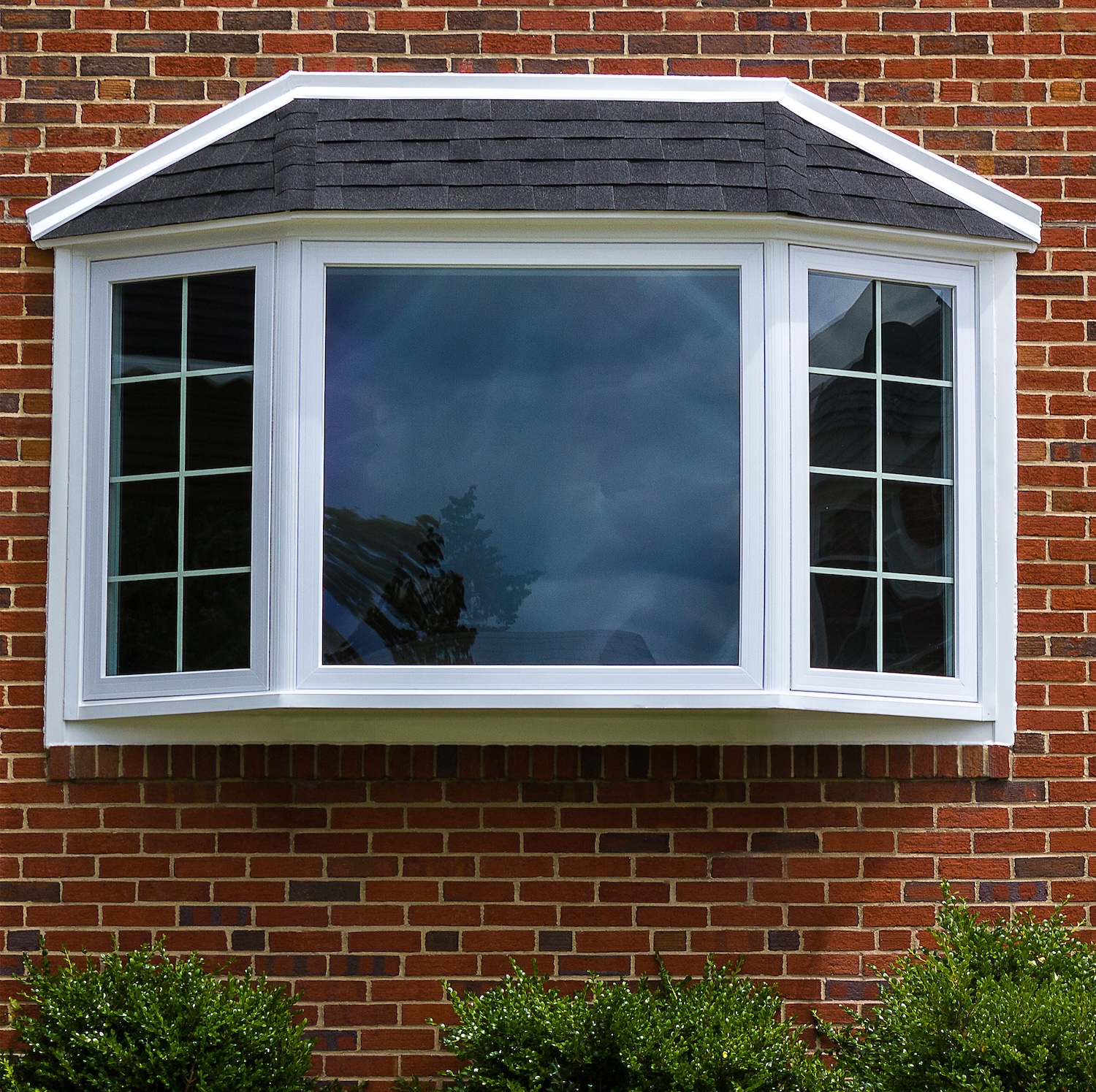
In this guide, we explore the affordability of noise-reducing windows and break down what drives price and performance. You will learn how soundproof windows work, which options fit different budgets, and how professional installation can protect energy efficiency and property value across Baltimore, Towson, and Catonsville.
Introduction to noise reduction
Constant traffic, construction, or noisy neighbors can wear you down. Noise reduction helps you reclaim a quiet space so you can focus or relax. Soundproof windows lower outside noise by using multiple glass panes, special layers, and tight seals. Performance is often described by an STC rating. STC ratings come from the sound transmission class (STC) system, with higher numbers indicating better sound blocking.
How noise reduction works
Sound is vibration. As sound waves hit glass, energy passes through the window, around the frame, and through small gaps. Soundproof windows reduce that energy in three main ways:
- More layers, more disruption. Double or triple pane windows create spaced barriers that interrupt sound transmission and reduce noise. Filling the cavity with inert gas helps dampen vibration and also improves insulation.
- Laminated glass uses an internal layer of clear plastic sandwiched between two sheets of glass. That internal layer absorbs vibration, so a soundproof window with laminated glass can outperform the same unit without it.
- Airtight installation matters. Proper installation seals small gaps where sound and air leak. Even the best sound-resistant windows underperform if the perimeter is not sealed with backer rod and acoustic caulk.
A standard windows setup with one pane and metal spacers will pass more noise than a laminated unit with two panes and a deeper air space. With precise installation, you lock in maximum noise reduction and better insulation at the same time.
Types of noise-reducing windows
There is no single product that is completely soundproof, but several types of windows significantly reduce noise across common household frequencies.
- Double pane windows, also called dual pane windows or double glazed windows, use two layers of glass with a sealed spacer. They offer solid noise reduction and energy efficiency for most homes.
- Triple pane windows add a third pane and a second cavity. Triple pane glass and triple glazing deliver stronger sound control and thermal performance, ideal near highways or busy rail lines. Many triple glazed units also boost comfort in winter and summer.
- Laminated windows pair laminated glass with double or triple configurations. You gain added security and UV protection, along with excellent sound reduction. For families near airports or on dense city blocks, laminated glass can be the best soundproof windows choice.
Most dual pane windows meet everyday needs, while a soundproof window with laminated glass steps up performance for very loud sites.
Frame material options and their impact
The window frame supports the glass and affects air leakage, durability, and energy efficiency.
- Vinyl frames, low maintenance and budget friendly, pair well with soundproof windows to improve energy efficiency and cut drafts.
- Fiberglass frames, strong and stable, resist temperature swings, which helps seals last longer.
- Wood frames, classic and beautiful, insulate well, but need maintenance.
Your frame material should match your goals for durability, cost, and look. If you are weighing choices in the Baltimore area, explore our Catonsville window installation and Towson window installation pages for project inspiration.
Cost factors to consider for noise reducing windows
No two homes are the same, so total cost depends on several variables:
- Glass package: dual pane, triple pane, or laminated glass
- Frame material and design: vinyl, fiberglass, or wood, plus hardware and grille options
- Professional installation versus DIY: labor varies by building height, access, and trim work
- Scope of work: how many windows, size, custom shapes, and any doors replaced at the same time
- Air sealing upgrades: adding backer rod, acoustic caulk, and new interior trim to improve results
- Local codes and permits: especially for historic districts or egress windows in bedrooms
Think value as well as price. Efficient window replacement can reduce heat transfer, lower energy bills, and increase property value. The U.S. Department of Energy’s guide to window performance ratings explains how U‑factor, SHGC, visible transmittance, and air leakage impact energy use in windows and doors.
Professional installation vs. DIY considerations
Installing soundproof windows is precise work. Professional installation ensures square, level, and plumb placement, continuous shims, correctly compressed foam, and sealed flashing, which protects both sound performance and energy efficiency. DIY can be an option for experienced remodelers, but mistakes can reduce noise levels less than expected, increase drafts, or void warranties. Benefits of hiring a pro include proper installation, tested flashing methods, verified air sealing, and code compliance.
If you plan to install soundproof windows yourself, set realistic timelines and budget for specialty tools. Measure twice, confirm rough openings, follow manufacturer instructions, and observe local building codes. For a free, local estimate in greater Baltimore, call 855-606-8293.
Energy efficiency and additional benefits
Noise pollution can affect health and productivity, while quiet rooms support better sleep and focus. But modern soundproof windows offer more than quiet. Multi‑pane windows reduce heat transfer for comfort in every season. Many packages include low‑e coatings for UV protection and reduced fading. When you install soundproof windows, you can improve energy efficiency, stabilize indoor temperatures, and support long-term energy savings.
Noise reduction technologies and future trends
Innovations continue to make each new soundproof window quieter and more efficient. Trends include thicker laminated glass with tuned interlayers, larger air spaces, advanced gas fills, and smart glass that can change tint by season. Multi‑pane window systems, acoustic window inserts, and interior soundproof panels can further enhance a tough facade. As materials improve, completely soundproof windows remain a myth, but products keep better matching what many homes need.
Are noise reducing windows affordable?
Affordability depends on the glass package, frame material, scope, and installation quality. While a noise-reducing window can cost more than standard windows, the combined benefits produce substantial value for potential buyers, make them a strong investment for many Baltimore homes. Ready to compare options and find the best fit? Call 855-606-8293, or connect with us online for a free estimate.