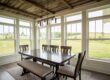

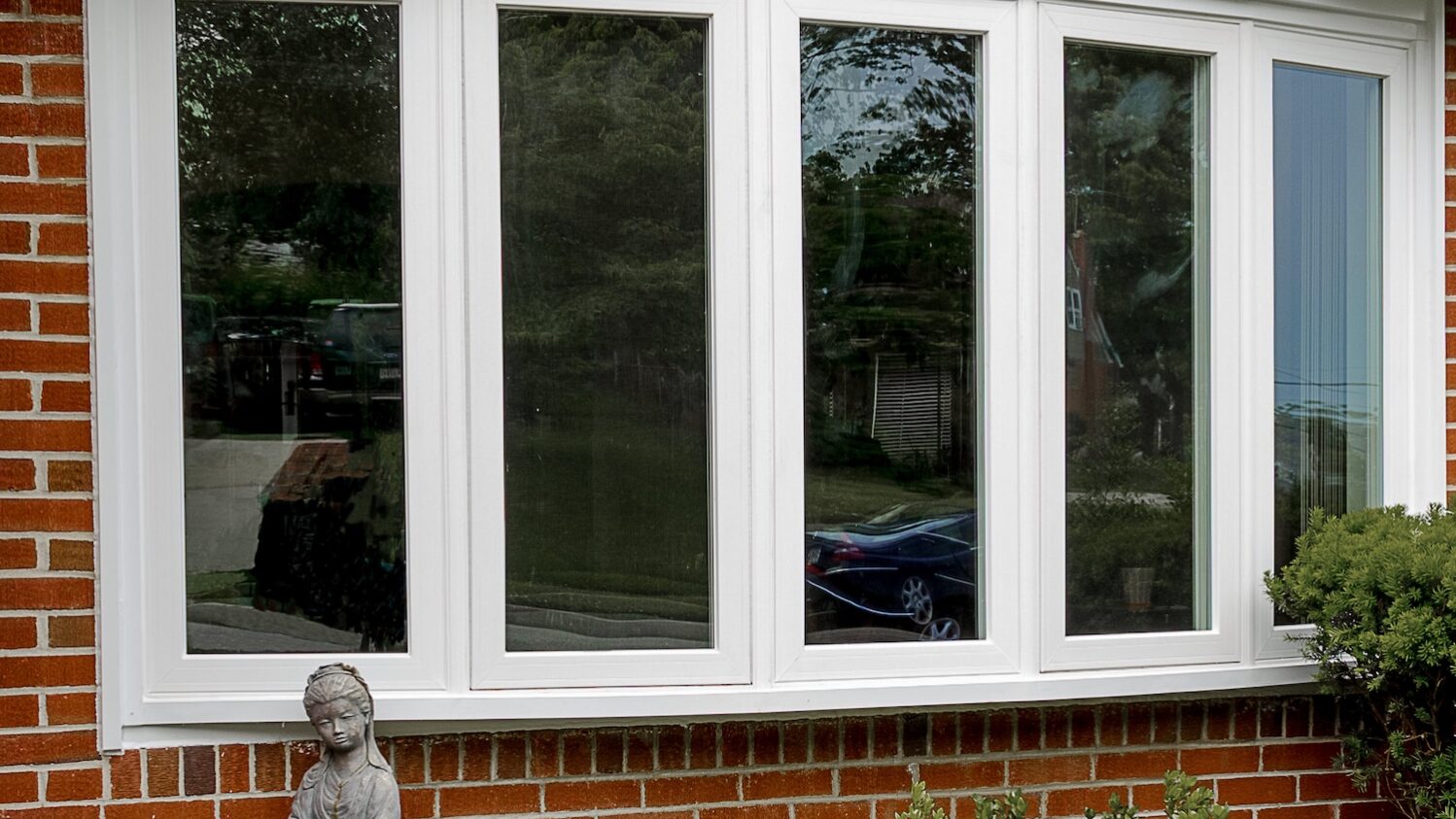
This comprehensive guide explores window frame materials that influence a home’s energy efficiency and curb appeal. We compare vinyl, aluminum, fiberglass, composite, and wood frames so you can choose the best window frame for your needs and budget.
If you’d like an estimate on your window project in the Baltimore area, call Master Seal Doors & Windows at 855-606-8293 or reach out through our online contact form.
Introduction to window frames and their importance
Window frames do more than hold glass. The right window frame improves structural integrity, limits heat transfer, brings in natural light, and can lower energy bills. Durable frame materials with good insulation reduce air leakage and heat loss, supporting energy efficiency. For local guidance on improving your home’s energy efficiency, a professional installer can help you match products to Baltimore area weather conditions.
Types of window frame materials
There are several types of window frames, and each window frame material has tradeoffs in cost, energy efficiency, maintenance, and style.
Vinyl windows
Vinyl window frames are made from polyvinyl chloride, a stable plastic with UV inhibitors. Vinyl frames are popular because they are cost effective, offer good insulation, and are low maintenance. Many vinyl windows include insulated cavities for excellent insulating properties and minimal upkeep. Vinyl window frames come in many colors and profiles and do not require painting.
Aluminum window frames
Aluminum windows are lightweight and strong, and aluminum frames suit modern designs with narrow sightlines that allow more natural light. However, bare aluminum naturally conducts heat, so thermal breaks, which are insulating strips that separate the inside and outside of the frame, are important to improve thermal performance. In a humid climate or near salt air, treated or coated aluminum frames resist corrosion.
Fiberglass window frames
Fiberglass frames are made from glass fibers and resins. Fiberglass windows offer excellent insulation, resist temperature fluctuations, and stay stable over time. Many fiberglass window frames can be painted for a wood-like look and still remain low maintenance. Fiberglass frames perform well on large windows because they are strong and dimensionally stable.
Composite window frames
Composite windows combine wood fibers with synthetic materials. Composite frames aim to deliver the warm look of wood with less upkeep. These frame materials often provide good insulation and resist rot better than wood. Composite window frames can be finished in a variety of colors and textures.
Wood window frames
Wood windows provide a timeless, traditional style. Wood frames insulate well and can be customized with stains and paints, but they require painting or sealing and more maintenance over time. In areas with heavy rain or strong sun, wood frames may need regular maintenance to prevent wear. Many homeowners choose aluminum or vinyl cladding over wood frames to reduce the need for frequent refinishing.
Energy efficiency considerations
Selecting the right window materials can improve energy efficiency and comfort. According to the U.S. Department of Energy, frame materials such as vinyl, fiberglass, and composite generally provide better thermal performance than metal, especially when paired with insulated cavities and a thermal break in aluminum frames.
- U-factor measures how quickly a window transmits heat; lower values mean better insulation. Learn how U-factor, solar heat gain, and air leakage are rated from the DOE’s guide to energy performance ratings.
- Low-e coatings reflect infrared energy to control heat transfer through the glass. Gas fills, such as argon or krypton between panes, boost efficiency by slowing conduction.
- ENERGY STAR certified products are tested through NFRC and can reduce heating and cooling energy costs.
- Look for the NFRC label, which shows U-factor, solar heat gain coefficient, visible transmittance, and sometimes air leakage.
Durability, maintenance, and cost considerations
Maintenance needs and long-term value vary by frame materials.
- Vinyl frames and composite frames: Typically low maintenance, resist moisture, and do not require painting. Many vinyl windows are cost effective and deliver good insulation.
- Aluminum frames: Durable and low maintenance. Because aluminum can conduct heat, choose aluminum windows with a thermal break. In coastal or humid climate zones, anodized or coated products reduce corrosion risk.
- Fiberglass frames: Strong, long lasting, and low maintenance. Fiberglass window frames offer excellent insulation and remain stable with temperature fluctuations, which supports thermal performance.
- Wood frames: Beautiful and classic, but higher maintenance. Wood windows often require painting or sealing and may need more maintenance in harsh weather conditions. Clad wood options reduce exterior upkeep.
Upfront price is only part of the picture. Consider energy savings, expected lifespan, and regular maintenance over time when comparing types of window frames.
Customization, aesthetics, and design options
Your window frame material shapes your home’s design style. Vinyl window frames and composite windows can mimic painted wood, while aluminum windows complement modern designs with slim profiles. Fiberglass frames accept paint well, which makes color matching easier. Consider how finishes, textures, and profiles coordinate with siding and trim, and how window types and frame sightlines deliver natural light. For rooms where you want more natural light, stronger frames help support larger glass areas without bulky profiles.
Installation and maintenance best practices
Even the most energy efficient windows will underperform if they are not installed properly. Expect careful measurements, removal of old frames, flashing and sealing, unit setting, and final air leakage checks. After installation, follow regular maintenance: wash frames and glass with mild soap, clear weep holes, and recheck caulking at transitions. If your home experiences wide temperature fluctuations or heavy rain, schedule periodic inspections. For Baltimore City and county homes, professional window installation helps manage fit, water control, and alignment.
Warranties, guarantees, and long-term value
Compare warranty terms by frame materials and by manufacturer. Look for coverage on frame integrity, insulated glass seal failure, and finish. A strong warranty supports long-term value by offsetting potential repair costs. Products with lower U-factor, low-e coatings, and tight air leakage ratings can reduce energy costs and support energy savings over the life of the window.
Choosing the best window frame material for your home
Each window frame material balances energy efficiency, maintenance requirements, and style. Vinyl windows are popular with most homeowners for their low maintenance. Fiberglass window frames offer excellent insulating properties and strength. Composite frames deliver a wood-like look with less upkeep. Aluminum window frames suit modern designs when specified with a thermal break. Wood frames remain a classic choice for historic homes but may require more maintenance. If you are replacing new windows in Baltimore City, Towson, or Catonsville, our team can help you compare options and match products to local weather conditions.
For a fast quote, call 855-606-8293 or contact Master Seal Doors & Windows online.