
You’ve got plenty of choices to consider when shopping for new windows. Wood and vinyl windows are still two of the most popular options, and both can enhance your home’s look while adding energy efficiency, comfort, and security.
If you’re trying to decide between wood vs. vinyl windows, this guide will walk you through the pros and cons, energy efficiency, durability, aesthetics, maintenance needs, and the value of professional installation. You can also explore the different types of windows for your home to better understand which style and material may be right for your next window replacement project.
Vinyl windows pros & cons
Vinyl is popular because it’s a cost-effective material to produce and manufacture. Vinyl replacement windows are among the most common choices for homeowners because they’re durable, easy to maintain, and perform well in a wide range of homes.
Vinyl windows are made from polyvinyl chloride (PVC). This material can be manufactured into strong, weather-resistant window frames that do not need to be painted or stained. Many modern vinyl windows also use multi-chamber frame construction, which can help improve insulation and support better energy performance.
For homeowners who want replacement windows that are practical, attractive, and low-maintenance, vinyl is a strong option.
Benefits of vinyl windows
- Low maintenance: Vinyl windows are very easy to clean and require little upkeep over the years.
- Moisture resistance: Vinyl doesn’t absorb moisture the way wood can, which helps protect against swelling, warping, and rot.
- Pest resistance: Because vinyl is not an organic material, it’s not vulnerable to insect damage in the same way wood can be.
- Good energy efficiency: Multi-chamber PVC frame construction can help reduce heat transfer and support a more comfortable home.
- Cost-effective material: Vinyl is typically more affordable upfront than wood, making it a popular choice for many window replacement projects.
- Easy cleaning: Most vinyl window frames can be cleaned with simple household products and do not require refinishing.
Drawbacks of vinyl windows
- Limited customization: Vinyl windows are not as customizable as wood windows.
- Difficult to paint: Because vinyl does not accept paint the same way wood does, homeowners usually need to choose from available manufacturer colors.
- Shorter lifespan than well-maintained wood: Vinyl windows may not last as long as properly maintained wood windows.
- Less visually distinctive: Vinyl windows can look clean and attractive, but they do not offer the same natural character as real wood.
- Not recyclable: Vinyl is not generally considered a green building material, and it is not as recyclable as some other window materials.
Wood windows pros & cons
Wood windows are classic choices for aesthetics, natural beauty, and excellent insulating qualities. While many wood species can be used to make windows, pine and Douglas fir are common options.
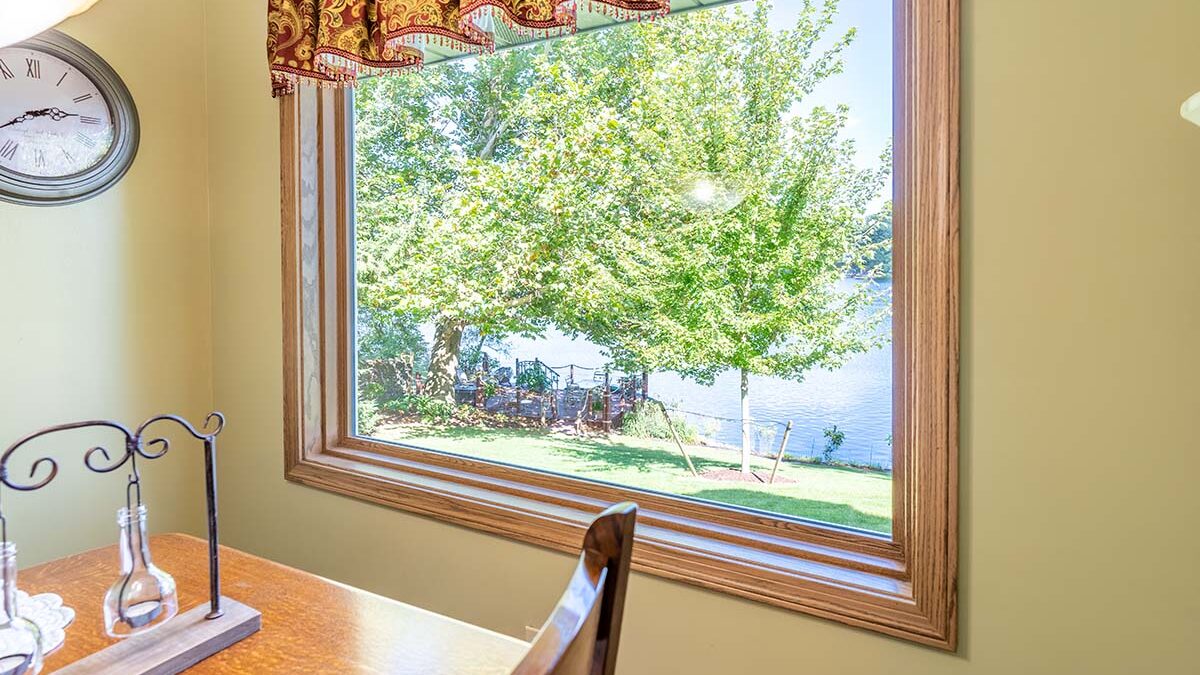
Wood windows can be especially appealing for homeowners who want a traditional look, a high-end finish, or a window frame that can be painted or stained to match the home’s interior and exterior design. They are often chosen for historic homes, custom homes, and properties where appearance is a top priority.
It is also important to understand the difference between all-wood windows and wood-clad windows. While traditional wood windows use wood on the interior and exterior sides of the frame, many modern wood windows include an added exterior layer for weather resistance. This layer may be made from fiberglass, PVC, or aluminum. Wood-clad windows allow homeowners to enjoy the appearance of wood inside the home while adding more protection on the exterior.
Benefits of wood windows
- Classic appearance: Wood frames can add warmth, character, and timeless style to a home.
- Natural insulation: Wood is naturally insulating, which can help support indoor comfort.
- Customizable finish: Wood can be painted or stained to match almost any home décor.
- Long lifespan with proper care: Wood windows can last for decades when they are properly maintained.
- Potential resale value: High-quality wood windows can enhance curb appeal and contribute to a home’s long-term value.
Drawbacks of wood windows
- Higher upfront cost: Wood windows generally carry a higher upfront cost than vinyl windows.
- Regular maintenance: Wood frames need ongoing care to maintain their appearance and performance.
- Repainting or staining: Wood windows usually need repainting or staining every few years.
- Moisture vulnerability: Without proper upkeep, wood can be susceptible to rot, swelling, and moisture damage.
- More weather-related upkeep: Maryland’s humidity, storms, and seasonal temperature changes can make maintenance especially important.
Difference between wood and vinyl windows
Wood windows may outlive vinyl, but need more upkeep over the years. Vinyl windows may be more budget-friendly upfront, but are not as visually distinctive as wood.
Ultimately, the choice between vinyl or wood windows comes down to your home, your maintenance preferences, your design goals, and how long you plan to stay in the property.
Here’s a breakdown of the major differences between wood and vinyl windows:
| Vinyl Windows | Wood Windows | Which Option Stands Out? | |
|---|---|---|---|
| Upfront Cost | Typically lower upfront cost | Higher upfront cost | Vinyl |
| Maintenance | Very low maintenance and easy to clean | Requires repainting, staining, and ongoing care | Vinyl |
| Appearance | Clean, practical, and attractive | Natural, classic, and highly distinctive | Wood |
| Customization | Limited color and finish flexibility | Can be painted or stained | Wood |
| Moisture Resistance | Strong resistance to moisture and pests | Can be vulnerable without proper maintenance | Vinyl |
| Lifespan | Durable, but may not last as long as maintained wood | Can last decades with proper care | Wood |
| Energy Efficiency | Strong performance with multi-chamber frames and efficient glass | Naturally insulating, but depends on maintenance and sealing | Both |
| Best Fit | Homeowners who want low-maintenance replacement windows | Homeowners who prioritize aesthetics and customization | Depends on your goals |
If you’re focused on low maintenance, easy cleaning, and practical value, vinyl windows may be the better fit. If you are focused on natural beauty, long-term customization, and a traditional appearance, wood windows may be worth the added upkeep.
Need to start planning your next project? Master Seal’s guide on how much new windows cost can help you make the right choice.
Energy efficiency of wood and vinyl windows
Both wood and vinyl options can be energy-efficient windows when they’re manufactured well and installed correctly. The window material matters, but so do the glass package, frame construction, sealing, fit, and professional installation.
- Vinyl: Often designed with multi-chamber PVC frames that help slow heat transfer. These frame chambers can improve the R-value (thermal resistance) and support a more comfortable home in all seasons. Vinyl windows are also compatible with double-pane and triple-pane glass packages, which can further improve energy performance. Learn more about vinyl window energy efficiency.
- Wood: A natural insulator that performs significantly better than highly conductive materials like steel. However, the energy efficiency of wood windows depends heavily on proper maintenance. If wood frames aren’t sealed, painted, stained, or protected from moisture, their performance can degrade over time.
For Baltimore, Maryland, and Washington D.C. homeowners, energy performance is especially important. Hot summers, cold winters, humidity, and seasonal storms can all affect indoor comfort and heating and cooling costs. Both wood and vinyl windows can meet Energy Star specifications, but the right product must be properly installed to deliver the full benefit.
Professional window installation in Baltimore and Maryland
Putting in new windows is one of the most common home improvement projects. But even if you’re extremely handy, you should leave window installation to the experts. The right fit—the first time—will ensure you can reap all the benefits of new windows.
Professional window installation matters because even a high-quality window can underperform if it’s not measured, sealed, and installed correctly. Poor installation can lead to drafts, leaks, reduced energy efficiency, operational problems, and potential warranty issues.
With professional window installation, homeowners benefit from:
- Accurate measurements
- Proper fit
- Better air sealing
- Improved energy performance
- Warranty protection
- Reduced risk of water intrusion
- A cleaner, more secure finished result
- Guidance on choosing the right window material and style
Master Seal helps homeowners throughout Baltimore, Maryland, and the Washington D.C. metro area choose and install the right windows for their homes. Whether you’re considering vinyl replacement windows, wood window replacement, or another type of window upgrade, our team can help you make the right choice.
Get your free window estimate in Baltimore, Maryland, and Washington D.C.
When you’re ready to transform your home with new windows, Master Seal can help. Let our expert team do the heavy lifting and guide you to the right choice for your home.
Choose from a wide variety of vinyl replacement windows, as well as other home improvement upgrades like new entry and storm doors. Master Seal windows are made from top-grade materials that will stand up to all kinds of weather and save you on maintenance costs over the years.
Call us today at 855.608.1580 or fill out a form for a free estimate and to schedule a no-obligation appointment with our team.