
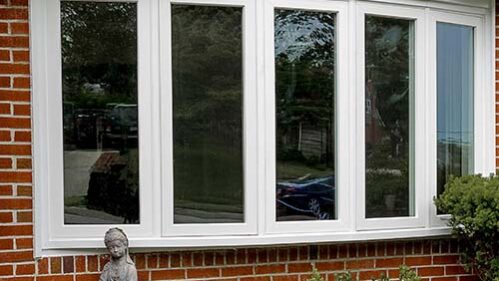
Bay windows are a timeless and elegant addition to any home, and at Master Seal, we take pride in offering some of the finest options in Baltimore, MD.
Many homeowners don’t realize the true variety of bay windows. From box bay and canted bay windows to oriel, bow, and garden window designs, each style offers a different shape, projection, and look. Whether you’re planning a full home renovation or choosing windows for a new construction project, this guide explains the main types of bay windows so you can better understand which style may be right for your home.
Our custom bay windows are designed for hassle-free installation. Contact us today at 855.608.1580 or reach out online to learn more about our expert bay window installation services in Baltimore, Maryland, and surrounding areas.
- What is a bay window? Definition, features, benefits
- Bay window styles: A complete guide
- Box bay window: The classic square bay
- Canted bay window: The angled classic
- Oriel bay window: The upper-floor architectural bay
- Bow bay window: The curved alternative
- Garden window: The kitchen bay
- Bay window sizes and design considerations
- Bay window installation in Baltimore and across Maryland
What is a bay window? Definition, features, and benefits
A bay window is a type of window that extends outward from a house’s exterior wall, creating an alcove inside. Usually, it consists of three windows: one large central window and two angled side windows, usually at 30, 45, or 90 degrees. Different angles can change the shape of the alcove, with a deeper angle creating more usable space inside while a shallow angle is more subtle. The center window is often fixed, while the side windows may open to provide ventilation.
Bay windows come in various shapes and sizes and can suit many interior design styles. They are often used to create extra seating for reading or conversation nooks. They also bring in more natural light while maintaining privacy and offer great ventilation by easily opening to let in fresh air. With their stylish shape and practicality, bay windows are a popular choice for home design.
For homeowners comparing design options and planning a project, it can also be helpful to learn more about how much a bay window costs before choosing a final window style.
When replacing the front door on your Baltimore home, you’re probably asking the same questions many of our clients have asked: Should you choose steel or fiberglass? Both materials are popular for a reason. Steel and fiberglass entry doors are strong, attractive, and energy-efficient alternatives to standard wood doors. They also come in a wide variety of styles.
The right choice comes down to your home, how it stands up to the Mid-Atlantic weather, your priorities, and what you want most from your new entry door. Some homeowners prioritize maximum security and long-lasting strength. Others want low maintenance, energy efficiency, and a realistic wood-grain appearance.
Master Seal installs both steel and fiberglass entry doors across Baltimore, D.C, and the greater Mid-Atlantic area. This guide will give you a closer look at the steel vs. fiberglass door comparison so you can decide which is ideal for your home.
Bay window styles: A complete guide
There are five main types of bay windows, each with a distinct shape, projection, and aesthetic. The right option for your home depends on your home’s architectural style, available wall space, desired interior alcove size, and the overall look you want to create.
Box bay window: The classic square bay
This classic bay window features a square or rectangular shape and consists of three windows that project outward. A box bay window typically includes one window parallel to the wall and two side windows set at 90-degree angles, creating a clean, squared-off projection.
Because of their shape, box bay windows can create maximum interior space compared with some angled bay window styles. They offer a clean and contemporary look, making them a popular choice for modern homes. Box bay windows are especially useful in kitchens and dining rooms, where the added alcove space can be used for plants, décor, seating, or extra natural light.
Canted bay window: The angled classic
Canted bay windows have angled sides that create a flat front surface. They typically consist of three windows and offer a unique architectural aesthetic, adding character and charm to any home.
This is one of the most common residential bay window styles. A canted bay window usually features a large central window with two side windows angled at approximately 30 or 45 degrees from the wall. This design creates a balanced projection that adds interior space while maintaining a classic exterior appearance.
For many homeowners, canted bay windows offer an ideal mix of light, ventilation, curb appeal, and usable alcove space.
Oriel bay window: The upper-floor architectural bay
Oriel windows are characterized by their decorative brackets or corbels that support the window’s weight. They often extend from the upper floors of a building, providing architectural interest and additional interior space.
Unlike some bay windows that extend from the ground level, an oriel bay window is often supported from below by brackets, corbels, or similar architectural details. This style is commonly associated with Victorian-style homes and older architectural designs, although it can also be used to add traditional character to updated homes.
An oriel bay window is a strong choice when homeowners want to add visual interest, natural light, and a distinctive architectural feature to an upper-floor room.
Bow bay window: The curved alternative
Bow windows are similar to bay windows but consist of four or more windows that create a gentle curve when viewed from the outside. They offer a more rounded and elegant appearance, allowing for a wider view and more interior space.
The main difference between a bay window and a bow window is the shape. A traditional bay window usually has three panels with angled sides, while a bow window uses four or more panels to create a softer curve. Because of that curved design, bow windows often provide broader panoramic views and a more graceful exterior look.
Homeowners who like the projection and natural light of a bay window but prefer a curved appearance may want to consider a bow bay window style. For a more detailed breakdown, read our bay window vs. bow window comparison.
Garden window: The kitchen bay
A garden window is a small bay window that’s a popular choice for kitchens. It features glass on all sides and a sloping glass roof, creating a mini-greenhouse effect.
This type of bay window is ideal for displaying plants and herbs while providing ample natural light. Because garden windows project outward and include glass on multiple sides, they bring more sunlight into a kitchen and create a bright space for small indoor plants, flowers, or decorative items.
Garden windows are especially useful for homeowners who want the look and function of a small bay window without adding a large projection to the exterior or a full-size alcove to another room.
Bay window sizes and design considerations
Bay window sizes vary widely, which is why you should consider a design that fits both the home’s exterior and the room inside. The best size depends on several factors, including the wall opening width, projection depth, ceiling height, number of panels, and the amount of interior alcove space you want to create.
- A canted bay window is often designed with three panels and angled sides, making it a flexible option for many living rooms, dining rooms, and bedrooms. The projection angle, often 30 or 45 degrees, can affect how deep the interior alcove feels and how much floor or seating space the window creates. Canted bays are typically 3’6″–10’6″ wide, 3’–6’6″ tall, and project around 2–3′ from the exterior wall.
- A bow bay window generally uses four or more panels, which means it may require a wider wall opening than a standard three-panel bay window. Because bow windows create a curved shape, they can provide expansive views and a softer exterior appearance, but they should be sized carefully to suit the room and the home’s architecture. Bow windows can range from 7–15′ or wider and 2–6′ or taller, but only project from the exterior of the house by 1-2′.
- Since an oriel bay window is often used on upper floors, it may be smaller or more decorative than other bay window styles. Since oriel bay windows are supported by brackets or corbels, their size and projection should be planned with the home’s structure and architectural style in mind. Similar to other bay windows, upper story bays typically range from 3’6″–10’6″ wide, 3’–6’6″ tall, and project around 2–3′ from the exterior wall.
When you call Master Seal for a bay window consultation, we’ll visit your home, take measurements, and give you our professional recommendations. We can provide a custom window with expert installation to ensure your home gets the aesthetic boost you’re dreaming of.
Bay window installation in Baltimore and across Maryland
Master Seal installs all types of bay windows—box bay, canted, oriel, bow, and more—in Baltimore and Maryland. Whether you are interested in a classic angled bay window, a contemporary box bay window, an architectural oriel window, or a curved bow-style design, our team can help you choose an option that fits your home.
Been dreaming of adding a bay window to your Baltimore home? Turn to the team the Mid-Atlantic has trusted for over 30 years. Call us today at 855.608.1580 or fill out a form for a free estimate and to schedule a no-obligation appointment with our team.
Still doing your research? You can also learn more about how much a bay window costs as you plan your project.