
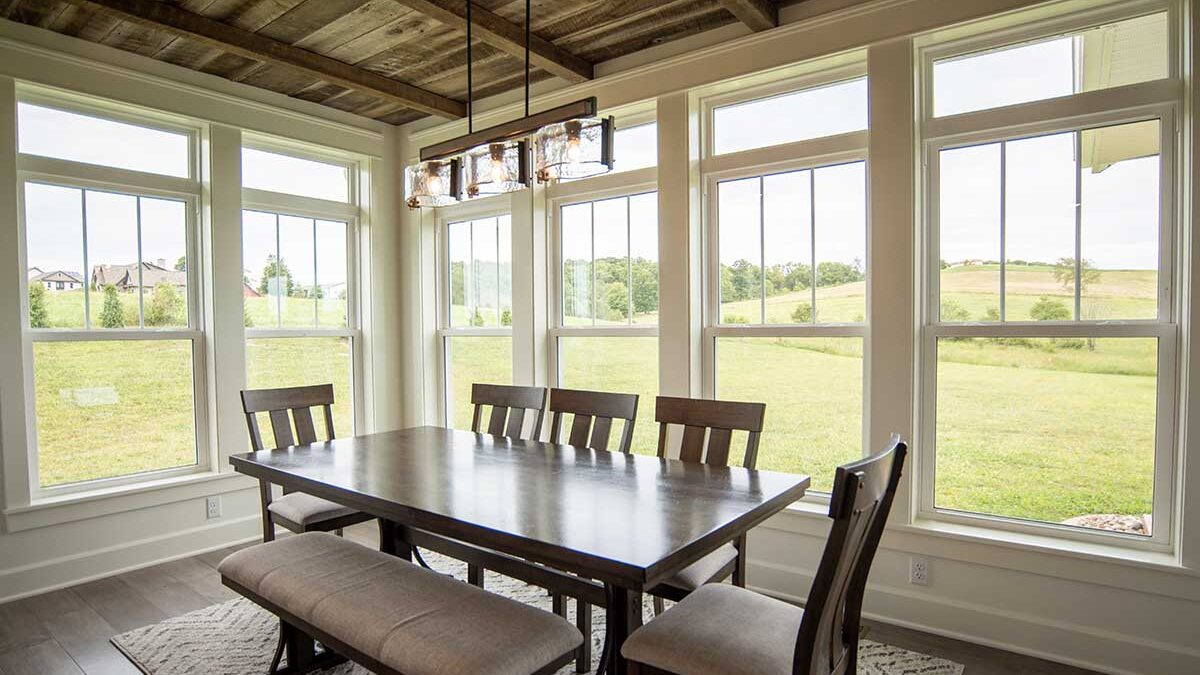
A transom window is a narrow window installed above a door or another window. It gets its name from the horizontal beam, called a transom, that separates it from the opening below.
In older homes, operable transom windows helped air move between rooms before air conditioning became common. Today, most transoms are fixed in place and used to bring in more natural light, add visual height, or give an entryway more character.
You may already have one without knowing its name. Transom windows are common above front doors in Baltimore-area Colonial, Federal, and Victorian homes. They can also be added during a larger window installation or entryway update.
Types and styles of transom windows
Transom windows come in several shapes, so they can complement both older and more modern homes.
A rectangular transom is the most common style. It usually runs across the full width of the door or window below it.
Arched transoms have a rounded top, while fanlight windows are shaped like a half-circle and may include decorative sections that resemble an open fan. These styles are especially common in historic Baltimore architecture.
Other options include elliptical or eyebrow-shaped transoms, which have a softer curve.
The glass can also change the look and level of privacy. Common choices include:
- Clear glass for the most natural light
- Frosted or textured glass for added privacy
- Beveled glass for a decorative finish
- Stained glass for more color and character
Most modern transom windows are fixed, meaning they do not open. An operable transom can still be a useful option when additional airflow is a priority.
Where are transom windows installed?
A transom window is most often installed above a front door. It brings daylight into the entryway while making the doorway feel taller and more open.
This can be especially helpful in a narrow Baltimore rowhouse, where the entry may not have room for windows on either side of the door.
Transoms can also be installed:
- Above interior doors to share light between rooms
- Over patio or sliding doors
- Above a large picture or double-hung window
- Between a room and a hallway where privacy is still needed
A transom above a patio door can add more glass without taking up additional wall space, which makes it a practical option for rear additions, sunrooms, and open living areas.
Transom window sizes
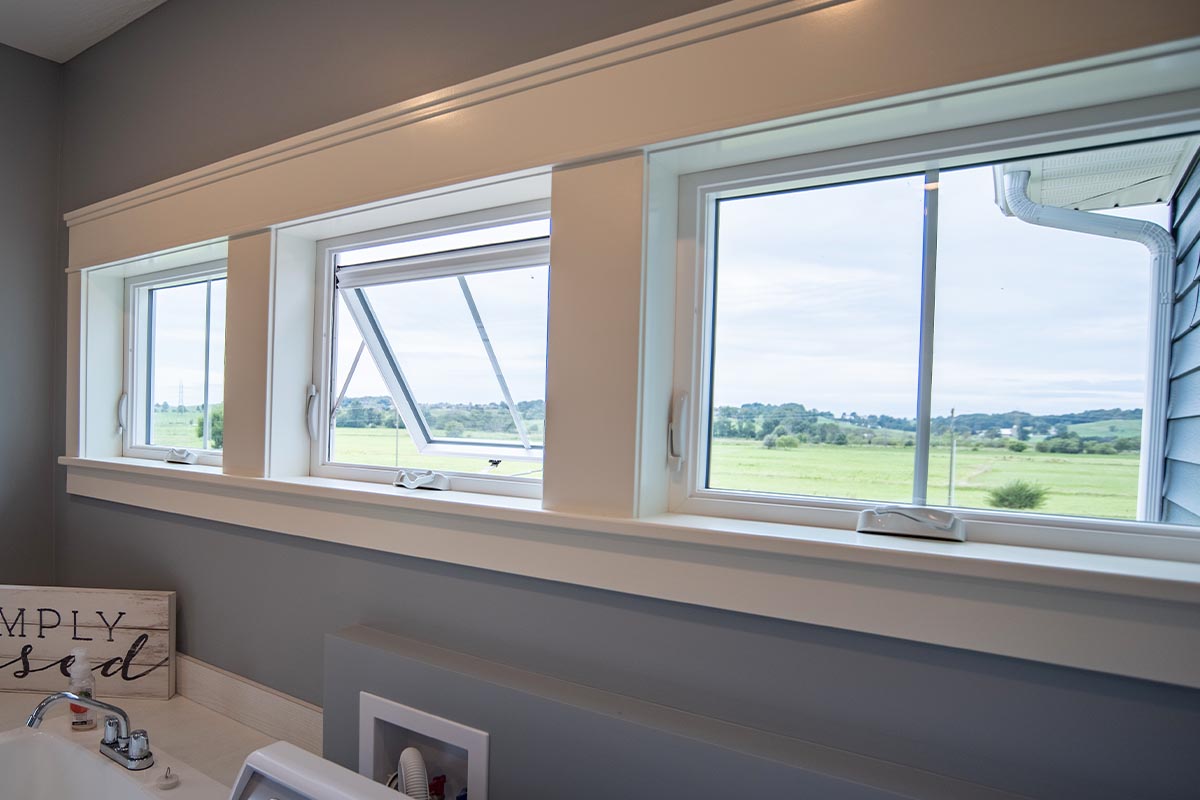
Many transom windows are about 8 to 12 inches tall, although the right size depends on the door or window below them. Their width usually matches that opening.
Common widths include 30, 36, and 48 inches, but custom sizing is often necessary in older homes. Since many Baltimore properties have settled or been renovated over time, the opening may not match a standard modern size.
Several factors can affect the final cost:
- Window dimensions
- Clear or decorative glass
- Fixed or operable construction
- Frame material
- The condition of the existing opening
- Any structural work needed above the door or window
A professional measurement can identify whether the existing header and framing are ready for a transom or need to be adjusted first.
Transom window installation and replacement
Installing a new transom may involve opening the wall above a door, checking the framing, reinforcing the header when needed, and carefully sealing the new window against moisture and drafts.
Replacing an existing transom is usually more straightforward, although the surrounding frame still needs to be inspected.
It may be time for replacement when you notice:
- Cracked or damaged glass
- Fogging between the panes
- Drafts around the frame
- Rotted wood
- Water staining
- A dated style that no longer suits the entryway
Some homeowners replace a solid panel above the door with glass, while others update an older fanlight with decorative or energy-efficient glass.
A modern vinyl replacement window can also reduce upkeep when an older wood transom has begun to deteriorate.
Why Baltimore and DC metro homeowners choose transom windows
Transom windows fit naturally with many homes in Baltimore, Maryland, and the DC metro area. From Federal Hill rowhouses to Bethesda colonials, they can work with the home’s original architecture rather than looking like an afterthought.
Homeowners often choose them because they:
- Bring more daylight into an entryway
- Make a door or window feel taller
- Add curb appeal
- Preserve privacy while sharing light
- Add character to both older and newer homes
Modern double-pane glass can also provide better insulation than the single-pane transoms found in many older properties.
Before changing a visible window in a historic neighborhood or community with a homeowners association, check whether there are rules about shape, glass style, or exterior appearance.
Get a free transom window estimate from Master Seal
Whether you want to replace a drafty transom or add one above an existing front door, the right design depends on the size, framing, and style of your home.
Master Seal provides transom window installation and replacement throughout Baltimore, Columbia, Annapolis, Bethesda, Northern Virginia, and the surrounding DC metro area. During your in-home consultation, the team can measure the opening, explain your glass and frame options, and provide a written quote.