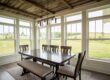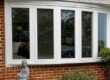

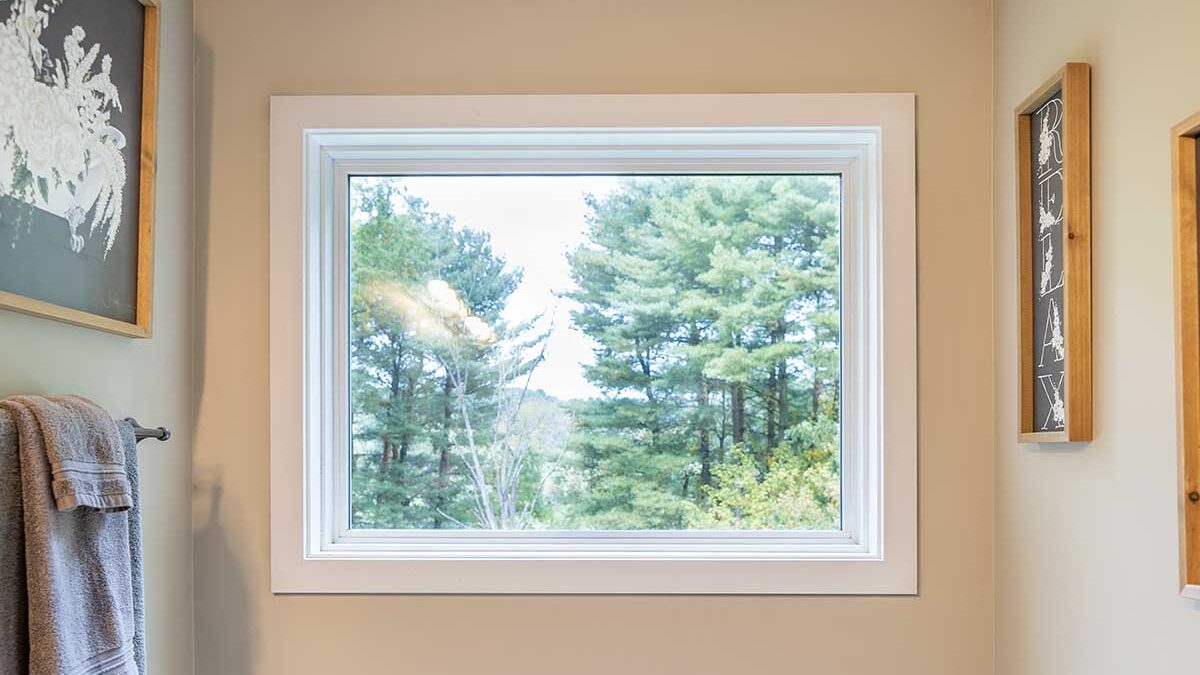
A picture window is a large, fixed window that gives you a clear outdoor view and brings more natural light into your home. Because it does not open, the window has no crank, handle, or sliding sash to interrupt the glass.
Picture windows are often used in living rooms, dining rooms, stairwells, and other spaces where the view matters more than ventilation. They can stand alone or sit between smaller windows that open.
For homeowners in Baltimore, Maryland, and the DC metro area, a picture window can make a room feel brighter and more open without changing its footprint. It may also be one part of a larger window installation project.
Key picture window features
A picture window is sometimes called a fixed window because it stays closed. That simple design gives it several recognizable features:
- A wide, uninterrupted area of glass
- A narrow frame that keeps the focus on the view
- No locks, tracks, cranks, or other operating hardware
- Options for larger and custom sizes
- Less maintenance than many windows that open
While double-hung windows slide and casement windows swing outward, picture windows stay in place. Homeowners comparing the different types of windows available for a home may choose a picture window for a great room, dining area, stair landing, or another space that needs more light.
You can also customize the look with grilles, an arched top, decorative glass, or a shape that complements the rest of the house.
Picture window sizes
Picture windows come in many dimensions. Common models may range from about 2 to 8 feet wide, although the exact options depend on the manufacturer and the opening in your home. Custom and floor-to-ceiling picture windows can be considerably larger.
Before choosing a size, think about:
- The wall space available
- The view you want to frame
- How much direct sunlight the room receives
- The weight of the glass
- Whether nearby windows will provide ventilation
The frame also affects the window’s appearance and upkeep. Vinyl is a popular low-maintenance choice, while fiberglass and wood-clad options offer different finishes and design possibilities. In Maryland’s changing weather, the right glass and a properly sealed frame matter just as much as the material itself.
Larger windows and custom shapes generally cost more, since they require more glass and may involve a more complex installation. However, a fixed picture window often costs less than an operable window of a similar size because it does not need moving hardware.
Picture window vs. bay window: What’s the difference?
Although both styles can create a wide view, a picture window and a bay window are built differently.
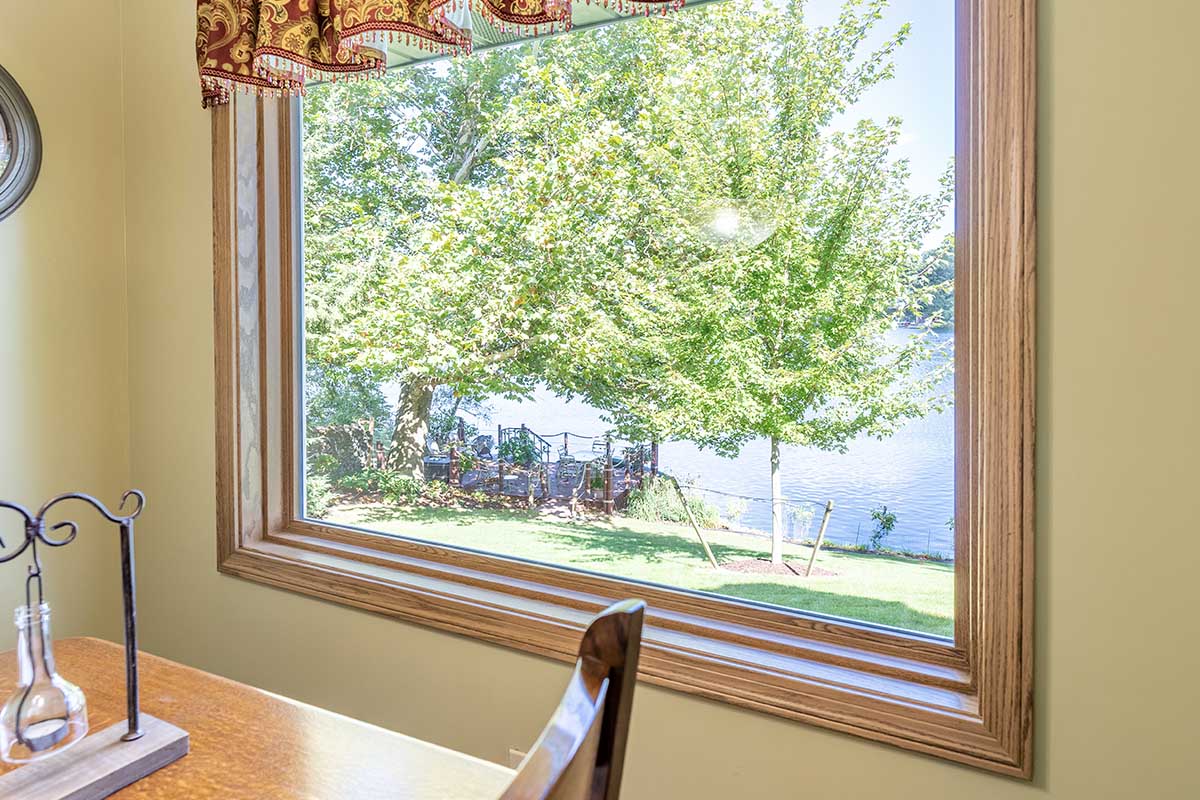
A picture window sits flat within the wall. It does not open, takes up no additional exterior space, and usually has a clean, modern appearance.
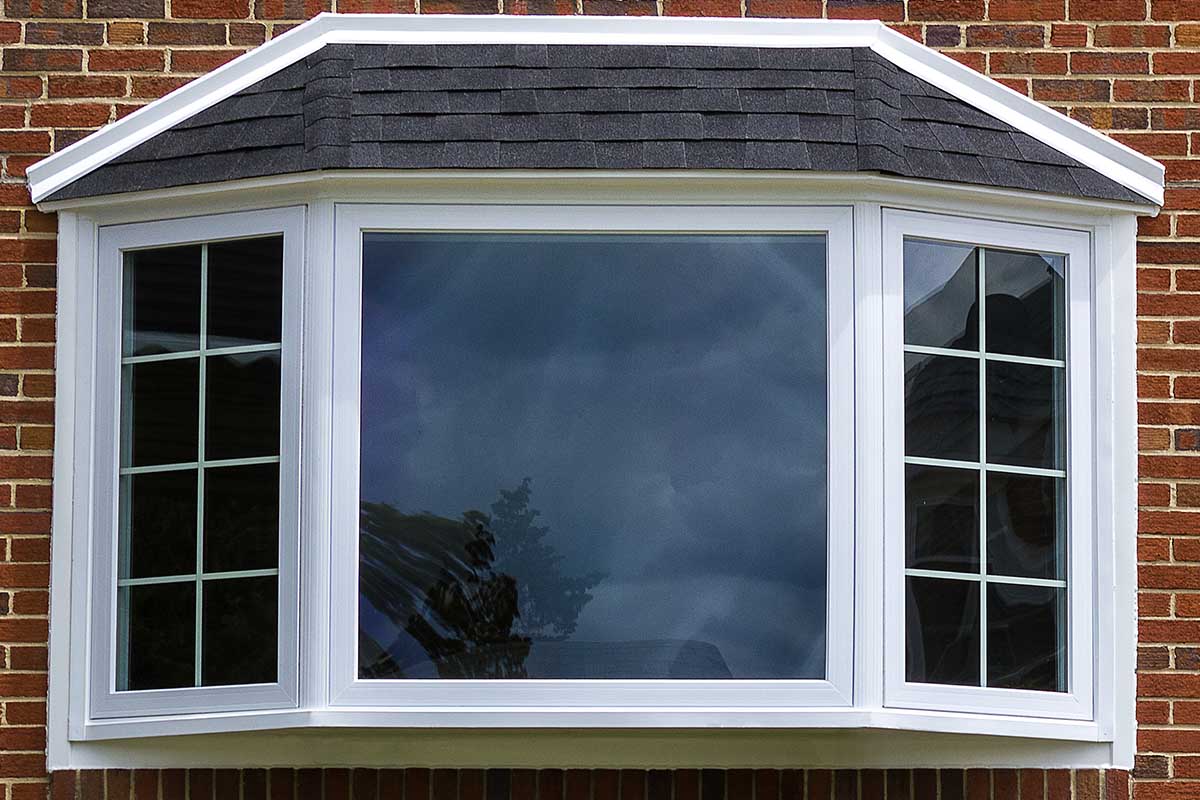
A bay window extends outward from the house and combines several window panels. That projection can create a small shelf, reading nook, or seating area inside, although the installation is more involved.
A picture window may be the better choice when:
- The front of the home has limited space
- You want a simpler installation
- You prefer a flat, streamlined design
- You do not need the window to open
A bay window may make more sense when you want additional interior depth or a more traditional architectural feature.
For example, a flat picture window may fit naturally into the narrow facade of a Baltimore rowhouse, while a bay window can complement a colonial-style home with enough room for an exterior projection.
Double-pane picture windows for energy efficiency
Since picture windows do not have an opening sash, they have fewer moving joints where outdoor air can enter. That can help them perform efficiently when the glass, frame, and installation are all designed for the local climate.
Modern options may include:
- Two or three panes of glass
- Low-emissivity, or low-E, coatings
- Argon gas between the panes
- Insulated frames and spacers
Low-E glass helps limit unwanted heat transfer while still allowing natural light into the room. Insulating gas between the panes can further improve thermal performance.
Homeowners should also look for ENERGY STAR-certified products suited to their climate zone. Certified windows are independently tested and must meet efficiency requirements established by the Environmental Protection Agency.
An older single-pane picture window may feel cold in winter, collect condensation, or allow heat to build up during summer. Replacing it with one of today’s energy-efficient window options can make the surrounding room more comfortable.
Since a picture window does not open, you can also pair it with casement or double-hung windows on either side. This gives you a broad view through the center while still allowing fresh air into the room.
Get a free picture window estimate in Baltimore and the DC metro area
A picture window may be a good fit when you want more sunlight, a wider view, and a simple design without moving parts. The right size and glass package will depend on your home, the direction the window faces, and the condition of the existing opening.
Master Seal provides window installation for homeowners throughout Baltimore, the DC metro area, and surrounding Maryland communities. We’re licensed and insured, and our window services include professional installation and warranty-backed work.