
Thinking about replacing a front door or adding new windows in Baltimore? This guide breaks down what a door warranty is, what it covers, and how it compares with window warranties. You will learn how limited lifetime warranty language works, the role of an installation warranty, and how some manufacturers handle accidental glass breakage. Use these tips to choose strong coverage for exterior doors, patio doors, storm door systems, and replacement windows so your investment is protected.
Interested in door install in the Baltimore area? Call 855-606-8293 or contact us online to request a free estimate or service review.
Introduction to door warranties
A door warranty protects the money you spend on new doors and helps ensure long-term performance. Most door warranties promise that materials and workmanship will be free from defects for a set time. Your door should open, close, lock, and seal as designed during normal use. Many window warranties mirror these protections for insulated glass, frames, and hardware.
Door warranties provide peace of mind if something goes wrong, because the company agrees to repair or replace covered components. This connection between warranty coverage and long-term performance applies across product types, including an exterior door at your entry, storm doors that shield against weather, and patio doors that need smooth, secure operation.
The FTC’s consumer guide for warranties breaks down the different types of warranties.
Types of doors and their warranties
Different doors and windows can have unique terms, so compare each product warranty side by side before you purchase.
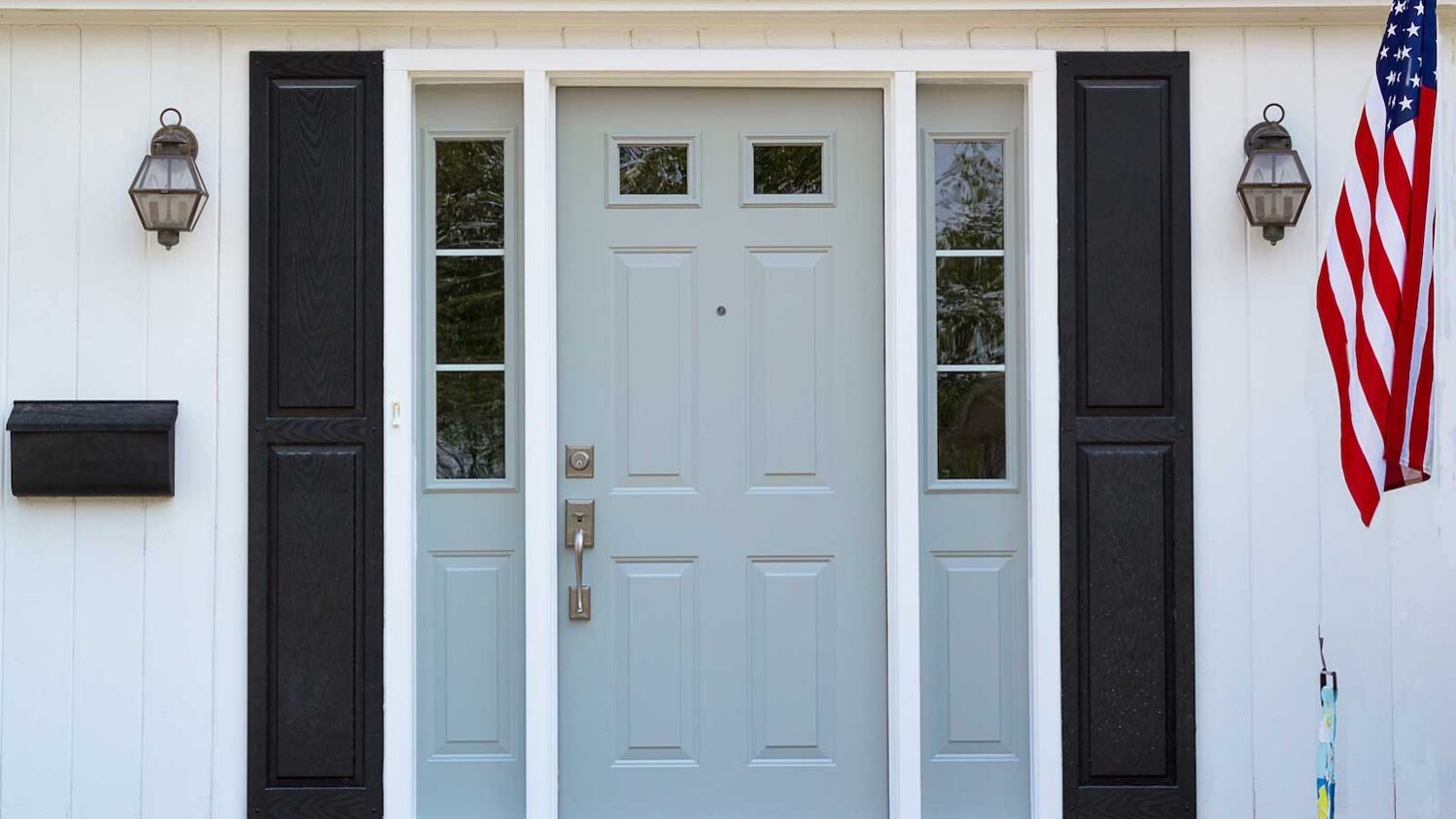
- Fiberglass entry doors: These are often sold with a limited lifetime warranty on the slab and frame, plus separate coverage for the finish and glass.
- Steel entry doors: These doors commonly include a strong product warranty on the slab, with shorter coverage for paint and surface rust.
- Patio doors: Sliding and hinged patio doors may include lifetime warranties on vinyl frames, with set terms for rollers, tracks, and weatherstripping.
- Storm doors: Many storm doors include coverage for aluminum frames and glass inserts, plus limited terms for closers and handles.
- Windows: Wood windows may have shorter finish terms than vinyl windows, and insulated glass coverage can differ by window manufacturer.
Other options you may see:
- Limited lifetime warranties issued by manufacturers, which apply to the original owner for as long as they own the house
- An installation warranty from your contractor that covers issues caused by how the product was installed
- Separate coverage for door hardware such as locks, hinges, thresholds, and other components
Example: a fiberglass entry door might carry a limited lifetime warranty on the slab and frame, while wood windows from another window manufacturer could have a 10 or 20 year window warranty on insulated glass and a shorter term on exterior paint. It pays to compare window warranties and door warranties across window manufacturers and companies to identify the strongest warranties for your needs.
Understanding warranty terms, coverage and exclusions
Warranty terms can be complex, so read the warranty documents carefully. Look for the sections that define what is covered and what is excluded.
What is typically covered:
- Defects in materials and workmanship that affect normal use
- Insulated glass seal failure or stress cracks when included in the window warranty
- Replacement parts and, in some cases, reasonable labor for covered repairs
- In some product lines, accidental glass breakage
Common exclusions and limits:
- Damage caused by improper installation, misuse, or alteration
- Wear due to lack of routine maintenance, including required paint or stain schedules on wood doors or wood windows
- Damage from environmental exposures such as standing water, extreme moisture, or severe weather
- Condensation or fogging caused by indoor humidity, which is often normal, versus condensation between panes, which usually signals a failed seal in the insulated unit’s dead air space and may be handled under glass terms
What to verify in the paperwork:
- Warranty period for each component, which can range from a few years to a lifetime warranty
- Whether labor is included or capped
- What actions can cause the warranty to be void
- Where and how to file a claim, and what happens when the warranty expires
- Any registration steps or proof you must keep, such as serial numbers or original receipts
Energy performance labels and construction details can also affect expectations for windows and patio doors.
Transferability and filing a warranty claim
If you plan to sell your house, confirm whether the warranty is transferable to a subsequent homeowner. Some lifetime warranties convert to a set number of years for the next homeowner. Transfer may require registration with the manufacturer and providing complete details, such as the installation date and proof of purchase.
How to file a warranty claim:
- Gather documentation. Take photos, note the purchase price, and collect your warranty documents.
- Contact the manufacturer or the installation company. Provide a clear description of the defect or performance issue.
- Follow submission instructions. Send requested forms, schedule any inspections, and keep copies of all emails and letters.
- Track progress. Maintain records until the item is repaired or replaced.
Understanding your installation warranty, including what the contractor guarantees and for how long, can streamline the claim process and help you get a prompt resolution. Under federal law, companies that offer a written product warranty must disclose key terms clearly, and they cannot require only branded parts or service to keep your warranty intact.
Choosing the best warranty, materials, manufacturer reputation and cost considerations
To find the strongest warranties for doors and windows, look beyond marketing claims and compare specifics.
- Compare coverage line by line. Check the length of coverage for frames, glass, finish, and hardware. Note whether replacement parts and labor are included.
- Balance cost and coverage. A slightly higher purchase price can be worth it if the product warranty and installation warranty together reduce long-term repair risk.
- Look at materials. Vinyl windows often come with lifetime warranties on frames, whereas wood windows may require more maintenance to keep coverage. Fiberglass doors can offer durable finish terms.
- Review hardware terms. Confirm how locks, handles, hinges, and weatherstripping are covered under the door warranty and window warranty, since hardware does wear over time.
- Research reputation. Read reviews and ratings to see how a door or window company handles claims. Favor manufacturers known for honoring a manufacturer’s warranty without hassle.
- Consider energy performance and construction. Multi-pane glass, quality spacers, and tight frames reduce stress on components, which can lower the chance of defects and future claims on window warranties.
When you compare window replacement options, patio doors, and storm doors, prioritize clear paperwork and responsive service. Lifetime warranties and limited lifetime warranty promises are helpful only if the company stands behind them. Choosing reputable window manufacturers and door makers can lower future costs and deliver real peace of mind.
Getting peace of mind with the right door warranty
Understanding door warranties and window warranties is an important part of buying new windows or doors. A strong door warranty can cover defects, installation issues, and even accidental damage when offered, which protects your budget and your home. Review warranty documents before you purchase, compare coverage across manufacturers, and choose products from reputable companies so you get long-term value and reliable service.
Would you like help reviewing warranty coverage for your project? Call Master Seal at 855-606-8293 or contact us online for expert guidance and a free estimate.
FAQs about door warranties
What does a typical door warranty cover?
A typical door warranty covers defects in materials and workmanship, and some product lines include glass and hardware. Certain window warranties also include accidental glass breakage under defined conditions.
Do home warranties cover doors?
Some home warranty plans include doors, but many door warranties and window warranties are separate and come from the manufacturer or installer. Always read the warranty documents to see itemized coverage.
How long is a warranty on a front door?
Terms vary by manufacturer and product type, from a few years to a lifetime warranty on frames or slabs, with separate finish and glass terms.
Does warranty mean free replacement?
Not always. Many policies provide repairs or replacement parts, and some include labor. Check the product warranty for what costs are covered.