
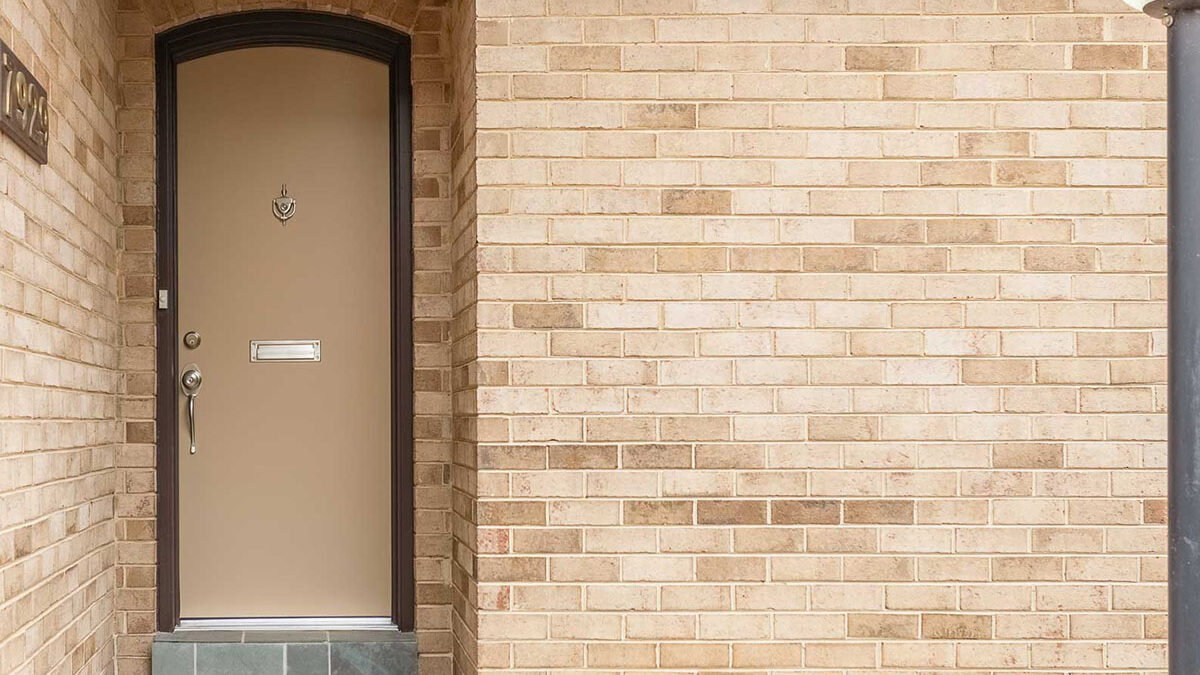
Steel entry doors are great for low-maintenance daily use, but their finish, seals, hinges, and locks still need attention. Timely maintenance can keep scratches minimal, drafts out, stiff hardware usable, and small rust spots from getting worse.
These five steel door maintenance tips cover cleaning, damage checks, repainting, lubrication, and weatherstripping, including when a professional assessment makes more sense than a do-it-yourself fix.
Why choose steel entry doors?
Steel entry doors are incredibly strong and durable, making them an ideal choice for protecting your home. Steel is resistant to fire, wind, and forced entry, providing excellent security for any home or building. The strength of steel also makes it difficult to damage or break into. Plus, steel entry doors are more energy efficient than other options as the tight construction helps reduce air infiltration and improve insulation levels. With a variety of finishes and colors available, steel doors can be customized to match your style while providing optimal protection. Investing in a quality steel entry door will offer long-lasting durability for years to come.
Furthermore, they require little maintenance over time, which ensures their longevity and beauty no matter what kind of environment they endure. Steel entry doors are also able to withstand extreme temperatures, making them an ideal choice for all climates. With superior security—even compared with reinforced fiberglass doors—and energy efficiency, steel entry doors are a great option when it comes to protecting your home or business. Whether you choose standard or custom-built designs, there’s sure to be an option that meets your needs while keeping your property safe and secure from potential intruders.
Tip 1: Clean your steel door regularly
Dirt and dust can accumulate on the surface of your steel entry door over time, so it’s important to give it a good cleaning every once in a while. Use warm water mixed with mild soap or detergent and a soft cloth to wipe down the entire surface of the door. It’s especially important to clean around the hinges and locks, as dirt buildup could lead to damage or corrosion over time. Get a full breakdown of how to clean exterior steel doors by reading our guide.
Tip 2: Check for and repair damage
Inspect the face, edges, bottom, and lock area for scratches, chipped paint, dents, or rust-colored staining. A door that suddenly rubs, will not latch, or shows an uneven gap may have a hinge, frame, or alignment problem rather than a cosmetic flaw.
A shallow dent in a flat area may be cosmetic if the metal is not torn, sharply creased, or separated from the core. If you notice a slight dent, you may be able to repair it with some filler and paint.
Request professional help if the damage affects an edge, latch, hinge, glass opening, or seal; if the skin flexes or separates; or if the door no longer closes securely. Deep creases, punctures, widespread corrosion, and forced-entry damage may call for replacement.
If you notice scratches or small rust spots, treat them promptly. Remove loose paint and surface corrosion, feather the surrounding coating, wipe away dust, and cover exposed metal with compatible rust-inhibiting primer. Bubbling or returning rust can be a sign that moisture is present, and your repair may need more than a paint job.
Tip 3: Recoat or repaint as needed
Peeling, chalking, fading, or widespread scratches may require more than touch-up paint. Before painting a steel door, check the door manufacturer’s care instructions and, when known, the existing coating. Be sure to follow your door’s warranty requirements and use compatible products.
Choose rust-inhibiting metal primer for bare or repaired steel. Finish with durable exterior paint labeled for metal or a compatible direct-to-metal coating. Satin or low-gloss paint can hide small surface variations better than a high gloss.
For a smoother result:
- Remove or mask hardware and protect the threshold, glass, and surrounding trim.
- Clean the door and let it dry. Lightly sand glossy areas so the new coating can bond, then remove all dust.
- Prime bare metal and repaired areas. Let the primer dry for the full time listed on its label.
- Apply thin, even finish coats with a quality brush, small foam roller, or sprayer suited to the product. Follow the specified temperature, humidity, and recoat limits.
- Keep the door from touching fresh paint at the weatherstripping until the coating has cured enough to resist sticking.
Don’t paint over labels, move hardware (other than removing and replacing in the original position), flexible seals, or drainage openings. If the coating is failing because water enters around the frame or threshold, fix it before refinishing the door.
Lubricate hinges and locks
Tighten loose hinge screws and check that the door swings and latches freely. Lubricant won’t correct a sagging hinge, bent part, loose frame, or misaligned strike. If hardware squeaks or feels stiff, clean it before applying a small amount of lubricant.
The best lubricant for door hinges depends on your door’s specific hardware and exposure. Light machine oil reaches hinge-pin joints but can drip or collect dust. Silicone-based or dry-film lubricant leaves less oily residue and may suit exposed hardware when permitted. Use only the lock maker’s recommended product in a lock cylinder.
A water-displacing multipurpose spray may quiet a hinge or free a dirty part, but it’s not the best lubricant for every hinge or lock. Remove loosened grime, follow the label, then apply the hardware maker’s recommended lubricant sparingly. Move the part several times and wipe away excess.
Tip 5: Inspect and replace weatherstripping
Weatherstripping reduces drafts when it creates an even seal around the closed door without making the latch difficult. Look for flattened, split, brittle, loose, or missing sections and check the bottom sweep for tears or daylight. You can also close the door on a strip of paper at several points; little resistance suggests weak contact.
For a basic weatherstripping replacement:
- Identify the existing fit profile and attachment method. Take a small sample or clear photo when shopping for a direct replacement.
- Measure the top and both sides separately. Cut each piece carefully so the corners meet without gaps.
- Remove the worn material and old adhesive or loose fasteners without damaging the jamb or kerf.
- Install the new seal in the same position, following the included instructions. Keep it straight and snug and don’t stretch it to make it fit.
- Close and open the door several times. Confirm that the latch engages, the sweep clears the threshold, and the seal touches evenly.
If you notice holes or cracks in the frame around cracked weatherstripping, you may have a problem that needs a full door replacement.
Frequently asked questions
The lifespan of your steel door depends on the specific manufacturer’s expectations, your local climate, and how you use your door. A well-maintained door that remains square, dry, secure, and well-protected can serve for many years.
It can help displace moisture or free a dirty hinge, but the familiar multipurpose formula is not the best lubricant for every hinge or lock. Check the hardware instructions, clean the joint, and use a small amount of the recommended hinge lubricant.
Steel doors offer strength, security, a solid feel, and relatively simple finish care. They can also provide good value. Painted surfaces can scratch, dent, or rust if bare metal stays exposed, and they don’t replicate a wood-grain look as naturally as some fiberglass doors.
A shallow cosmetic dent in a flat area may be suitable for DIY repair. Call a professional when the dent is deep, sharply creased, close to an edge or lock, associated with forced entry, or accompanied by a change in fit or latching.
Let us help with your steel door replacement
Steel entry doors offer a range of benefits for homeowners, from increased security to energy savings. Installing a steel entry door can be a great way to enhance the look and feel of your home while providing added protection. If you’re considering installing a steel entry door in your home, contact Master Seal today. Call 855.608.1580 or connect with us online to learn more.