
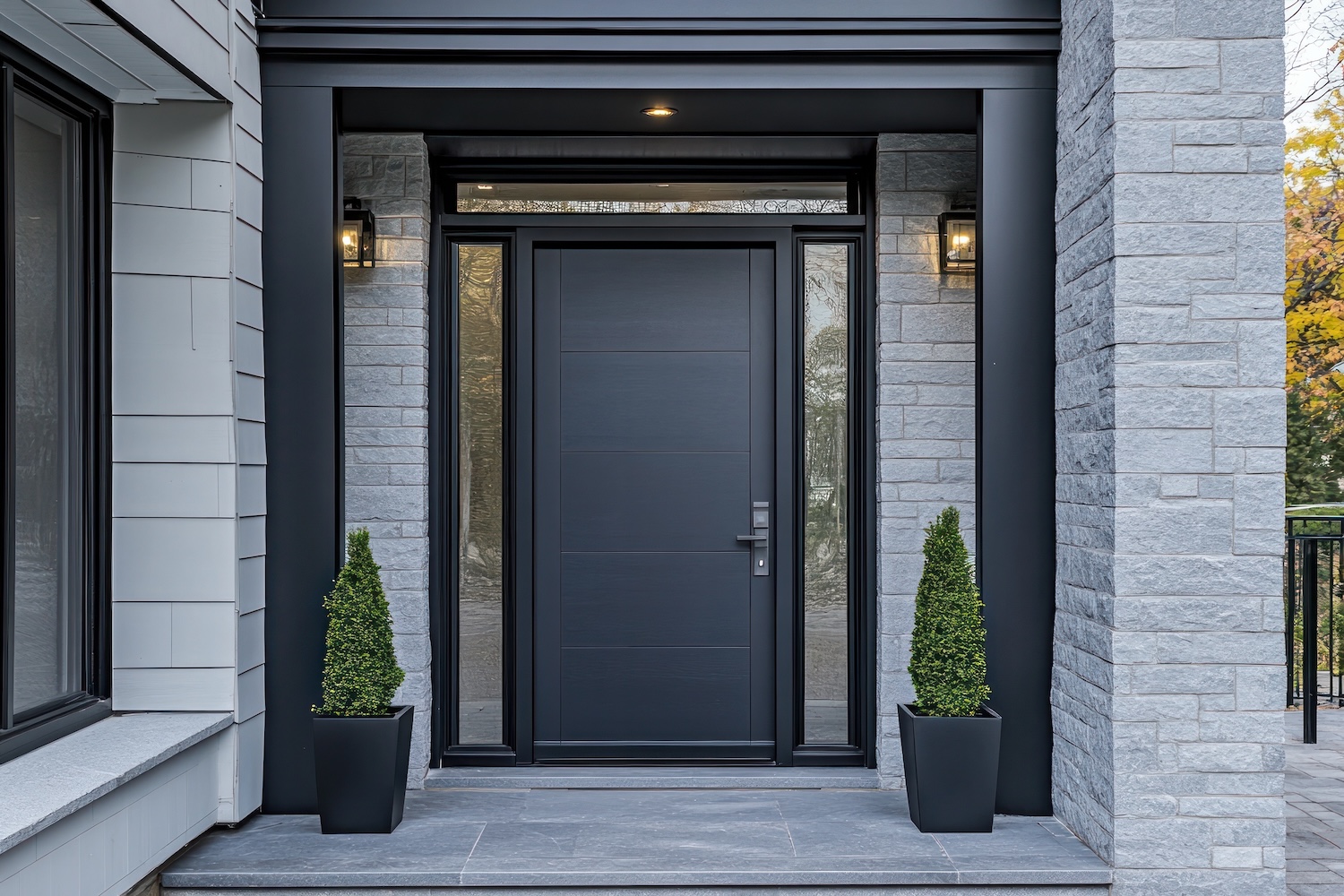
If you are comparing steel and fiberglass entry doors for a project in Baltimore, MD, Master Seal is here to explain the strengths, tradeoffs, and style options for each material. We also include a quick look at wood for contrast. You will learn how security, energy efficiency, minimal maintenance, and aesthetic appeal factor into durability, design flexibility, and installation so you can make an informed decision for your home’s front door.
Reach out to Master Seal today for a free in-home estimate.
Steel doors: strength and security
Steel doors are built with a steel skin over an insulated core, which is usually polyurethane or polystyrene. This construction delivers superior resistance to forced entry and holds up well in severe weather conditions common to the Mid‑Atlantic. Your first line of defense is a sturdy door and frame, and steel provides good security for rowhomes and suburban properties alike.
Benefits of steel doors:
- Enhanced security: the rigid steel skin resists prying at the latch and hinge sides.
- Durability: many steel doors are impact resistant, and the insulated core reduces energy loss.
- Cost-effective ownership: when properly cared for, steel requires limited upkeep.
Design:
- A steel entry door can be smooth or textured, and paint accepts well. You can match brick, siding, or trim.
- Profiles and panel styles span modern to traditional, and accessories can elevate the look.
Considerations:
- Steel can dent if struck by heavy objects, and the finish may need periodic paint touch‑ups.
- If the finish is damaged, rust can form, so prompt repair is part of proper care.
- Insulation level and weatherstripping quality affect energy efficiency; look for NFRC ratings and ENERGY STAR certification for improved energy efficiency.
Fiberglass doors: versatility and low maintenance
Modern fiberglass doors convincingly mimic wood grain and offer a natural appearance without the upkeep of stain‑grade wood. Fiberglass performs reliably through harsh weather, including wide temperature swings and coastal humidity around Baltimore.
Benefits:
- Low maintenance with molded skins that do not rust and rarely need repainting.
- Strong energy efficiency from insulated cores and tight seals, which can lower utility costs.
- Excellent design flexibility with glass inserts, decorative sidelights, and many finishes to fit many styles.
Considerations:
- Initial cost can be higher than steel.
- Skins are durable yet, compared with steel, they can be more prone to cosmetic scratches under prolonged exposure to pets or equipment.
- For pure security, fiberglass vs steel favors steel; choose according to priorities.
Pro tip:
- If aesthetics lead, fiberglass entry doors deliver warmth and less upkeep
- If maximum security is the goal, steel edges ahead.
- Many Baltimore homeowners choose fiberglass and steel doors on different elevations to balance curb appeal and safety.
Wood doors: classic beauty and timeless appeal
Wood doors bring authentic character with real wood and unique wood grain patterns. They can be custom sized, carved, stained, or painted to match any exterior door style.
Benefits:
- Warm aesthetics and one‑of‑a‑kind surfaces.
- Unlimited finishing options, paint or stain.
Considerations:
- Doors require regular maintenance to resist moisture.
- Wood can warp or crack with direct sunlight or heavy rain, and repeated cycles can increase maintenance needs.
- Compared with other materials, wood usually costs more to maintain over time. Many homeowners select steel or fiberglass for enhanced security and less upkeep.
How to choose the best exterior door for your home
The number of material choices can feel overwhelming, so use this checklist to narrow the field.
- Security: steel offers good security against forced entry, fiberglass can also perform well with robust frames and quality hardware.
- Energy efficiency: compare NFRC U‑factors and SHGC ratings; some manufacturers list R-values for opaque slabs, and thermal adhesives that bond skins to the insulated core can improve stability.
- Maintenance requirements: steel may need repainting and touch‑ups to prevent rust; fiberglass needs minimal maintenance; wood needs regular maintenance and sealing.
- Budget considerations: weigh initial cost against operating savings and longevity.
- Style fit: confirm finishes, glass, and hardware align with your exterior.
- Site factors: Baltimore weather conditions, direct sunlight, and storm exposure influence material choice.
- Project scope: include sidelights or new frames to address air leaks and energy loss.
Ready to discuss options? Schedule a free consultation, explore fiberglass entry door installation in Baltimore, or browse steel entry door styles.
Comparing cost, security, and energy efficiency: steel vs. fiberglass
Here is a direct comparison to guide your entry door choice.
| Factor | Steel | Fiberglass |
| Initial cost | Generally lower | Generally higher |
| Security | Higher resistance to forced entry with proper locks and frames | Strong, yet slightly less rigid than steel |
| Energy efficiency | High when insulated, verify NFRC label | High with insulated cores and tight seals |
| Maintenance | Paint touch‑ups, watch for rust at scratches | Very low, no rust, occasional cleaning |
Making an informed decision on window replacement for your home
Choosing between fiberglass and steel doors in Baltimore comes down to priorities such as security, energy efficiency, style, and cost. Evaluate your site, confirm ratings, and align your selection with your design goals. The team at Master Seal is ready to help you make the right choice. Reach out today to get started.
FAQs
Is it better to have a steel or fiberglass front door?
The best material depends on your goals; steel maximizes security, fiberglass offers low maintenance and excellent style options.
How much does a fiberglass door cost compared to a steel door?
Fiberglass usually has a higher initial cost, yet lifespan and low maintenance can narrow the gap over time.
What are the disadvantages of a fiberglass door?
Higher upfront cost and potential for cosmetic scratches, although the skins do not rust and rarely warp.
What are the disadvantages of a steel door?
Steel can dent, and scratches need prompt paint to prevent rust; hinges and paint require periodic maintenance.