
Most residential windows last about 15 to 40 years, although some well-made windows can last longer. The material matters, but installation quality, maintenance, sun exposure, and moisture can make just as much of a difference.
That is especially true in Baltimore and the DC metro area, where windows need to handle humid summers, cold winters, heavy rain, and frequent temperature changes.
Age alone does not tell you whether a window needs to be replaced. A properly installed 30-year-old window may still work well, while a newer window with a failed seal or poor fit may already cause drafts. Professional window installation helps protect the window’s performance from the start.
How long do vinyl windows last?
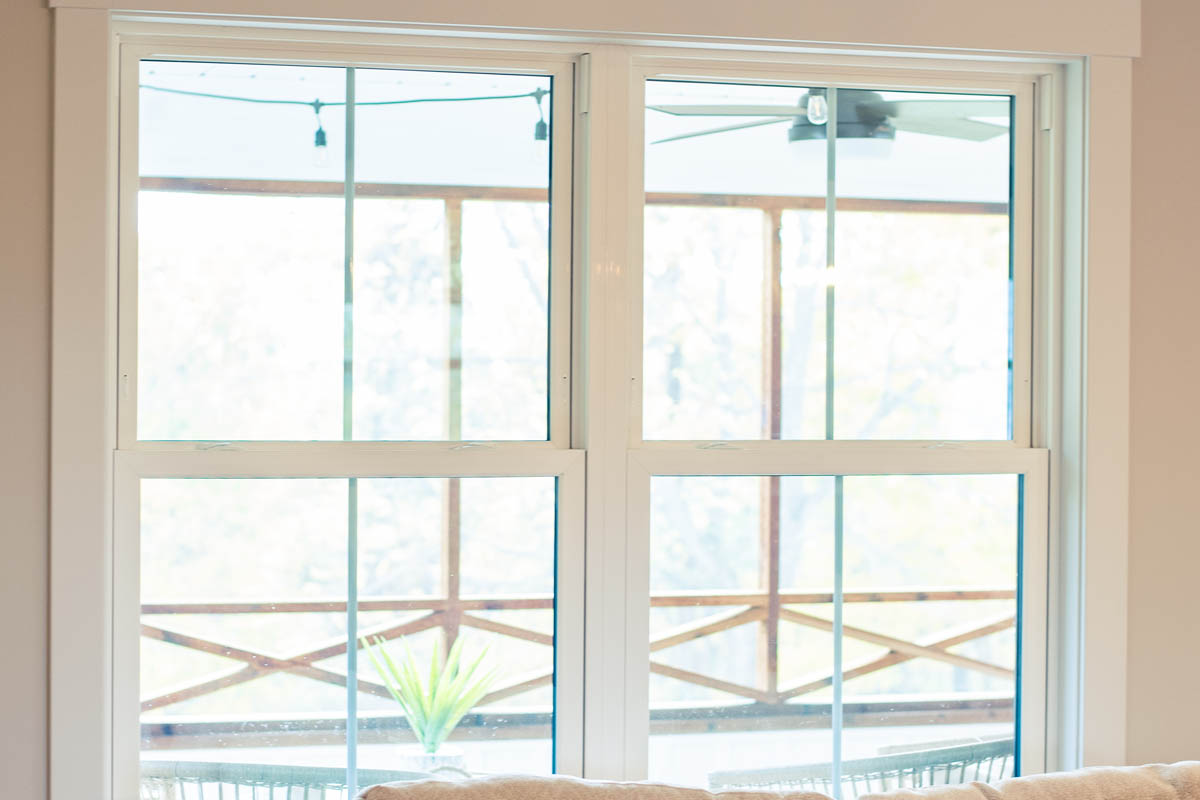
Quality vinyl windows commonly last 30 to 50 years, while more basic models may last closer to 15 to 25 years.
That is a wide range because not all vinyl windows are made or installed the same way. A strong frame, insulated glass, durable hardware, and careful installation can all extend the window’s useful life.
Vinyl is popular because it does not need to be painted or stained, and it resists many of the moisture problems that affect wood. It can also help reduce drafts when the frame and glass remain properly sealed.
However, vinyl is not maintenance-free. Years of strong sunlight can make lower-quality frames more brittle, while poor drainage or failed caulking can allow moisture to collect around the opening. Maryland’s summer heat and direct UV exposure may cause cheaper vinyl products to wear out sooner.
You can help your windows last longer by:
- Cleaning the frames and tracks regularly
- Keeping drainage holes clear
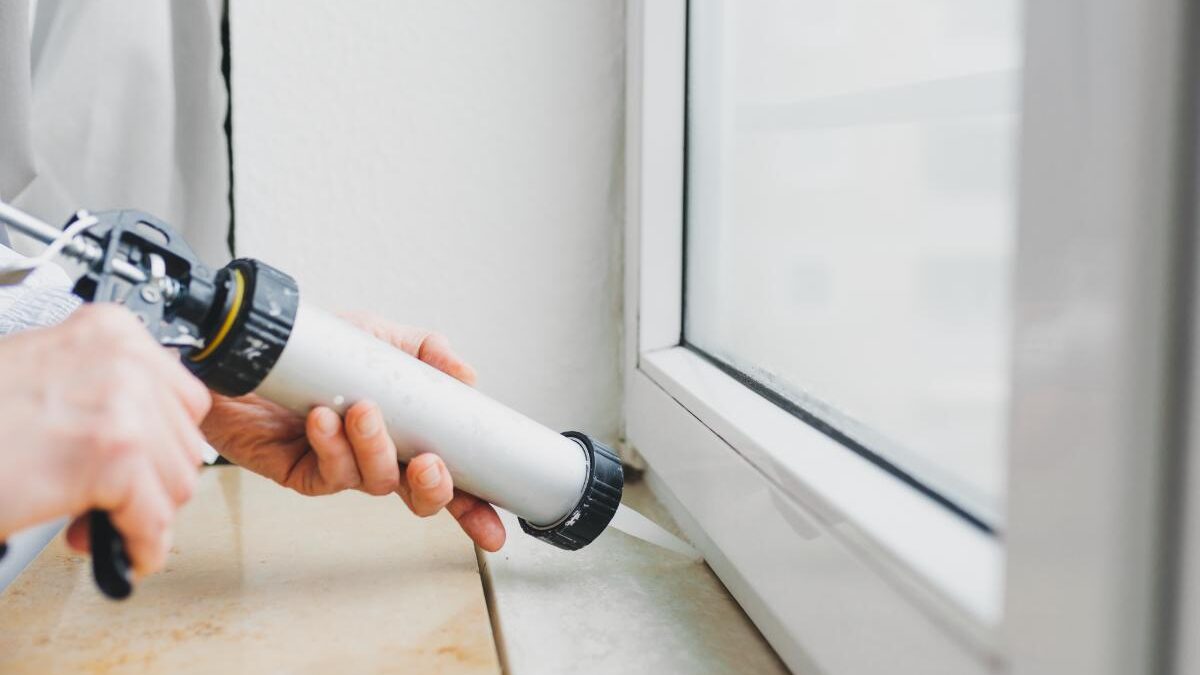
- Checking caulk and weatherstripping once a year
- Avoiding harsh or abrasive cleaners
- Addressing leaks and damaged hardware early
Installation matters as much as the product itself. Even a high-quality window may develop drafts, water damage, or operating problems when it is not properly measured, leveled, and sealed.
How long do other window types last?
Different frame materials have different strengths, maintenance needs, and expected lifespans.
| Window material | Average lifespan | Maintenance level |
|---|---|---|
| Vinyl | 15–50 years | Low |
| Wood | 20–30 years | High |
| Fiberglass | 30–50+ years | Low |
| Aluminum | 20–30 years | Low to moderate |
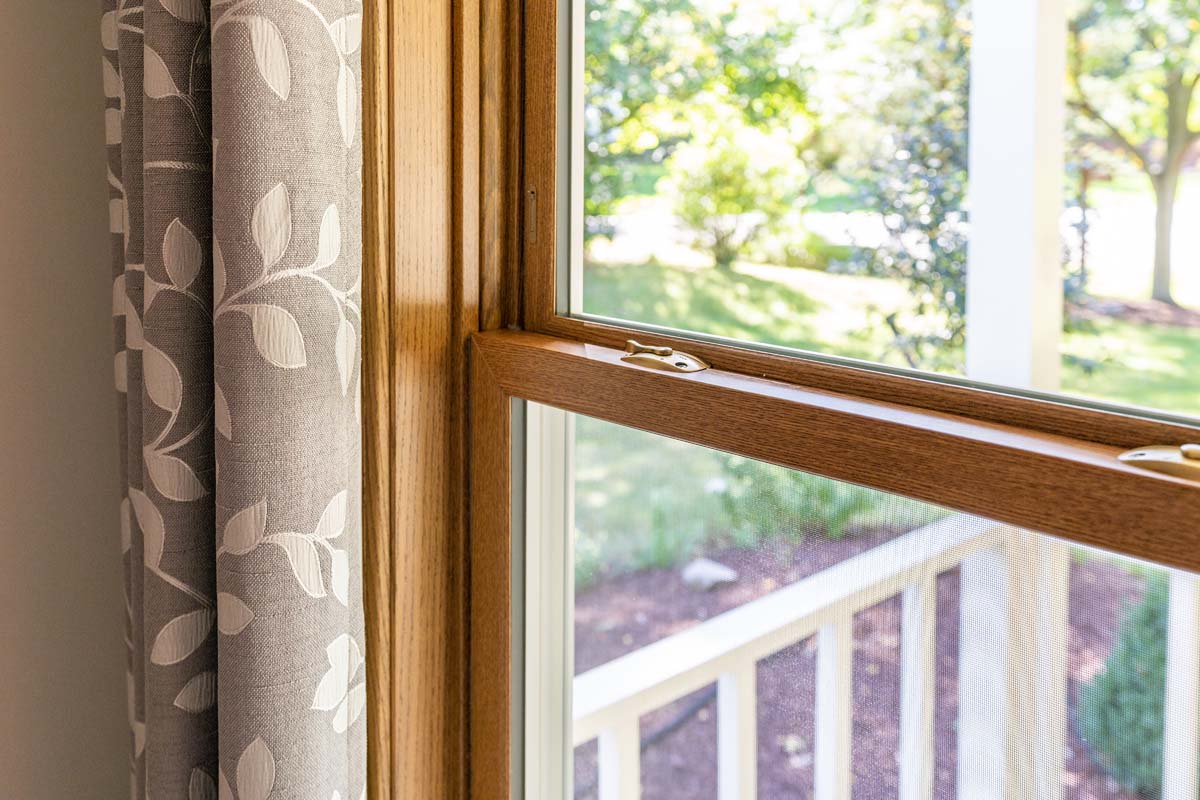
Wood windows
Wood windows often last 20 to 30 years, although careful maintenance can help them last longer. They need regular painting or sealing because exposed wood can absorb moisture, swell, peel, or rot.
Baltimore’s humidity can speed up those problems, particularly when water collects around the sill or frame.
Fiberglass windows
Fiberglass windows may last 30 to 50 years or more. The material handles temperature changes well and is less likely to expand and contract than some other frame types.
While fiberglass tends to cost more upfront, its durability and low maintenance needs can make it a practical long-term option.
Aluminum windows
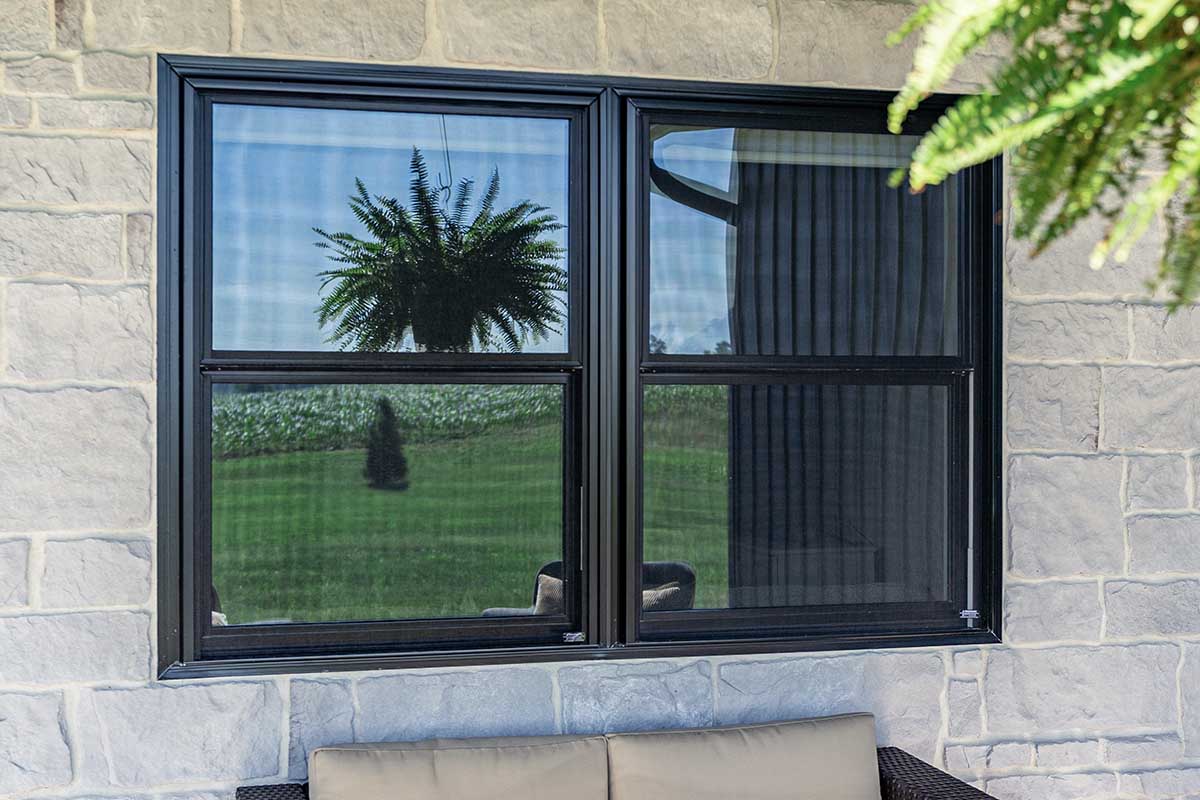
Aluminum windows usually last about 20 to 30 years. The frames are strong and slim, but older aluminum windows may conduct heat and cold more easily than newer insulated materials.
Aluminum does not rust like steel, although moisture and salt exposure can cause corrosion or oxidation over time.
Signs it’s time to replace your windows
A window does not need to reach a certain birthday before you replace it. What matters is whether it still opens, closes, seals, and insulates the way it should.
Common signs you may need new windows include:
- Drafts or cold spots near the glass
- Condensation or fog between the panes
- Rising heating or cooling costs
- Windows that stick, jam, or will not lock
- Cracked, rotted, warped, or soft frames
- Water stains around the opening
- More outdoor noise entering the room
- Caulk or weatherstripping that repeatedly fails
Fog between the panes usually means the insulated glass seal has failed. Once moisture gets inside the sealed unit, wiping the window will not remove it.
One damaged part does not always mean you need a full replacement. A loose lock, worn piece of weatherstripping, or minor hardware problem may be repairable. The condition of the frame, glass, and surrounding opening can help determine whether repair or replacement makes more sense.
These practical signs that you may need window replacement services can help you decide when to schedule an assessment.
How often should you replace windows?
Most homeowners replace their windows once every 20 to 40 years, but there is no fixed schedule that works for every house.
A well-built 30-year-old vinyl window may still perform better than a poorly installed window that is only 10 years old. Rather than replacing windows based on age alone, inspect them at least once a year for drafts, moisture, damaged seals, and operating problems.
Pay particular attention after severe storms or rapid temperature changes. Small leaks and seal problems are often easier to address before they affect the surrounding wall.
Older Baltimore rowhouses may also have openings that are no longer perfectly square because the building has settled over time. In those homes, accurate measurement is especially important before ordering replacement windows.
Do new windows increase home value in Baltimore?
New windows may increase a home’s value, although the return depends on the products you choose, the quality of the installation, and the condition of the windows being replaced.
For many buyers, the appeal comes from several improvements at once:
- Better energy efficiency
- Fewer drafts and cold spots
- Less maintenance
- Improved curb appeal
- Easier operation
- Better noise reduction
Replacing visibly damaged or outdated windows can also reassure buyers that they will not need to take on the project soon after moving in.
While new windows may not return every dollar spent, the ways replacement windows can add value to a home go beyond resale price. A more comfortable and attractive home can benefit you long before you decide to sell.
Window replacement in Baltimore and the DC metro
When your windows feel drafty, look foggy, or no longer open smoothly, a professional assessment can help you understand whether repair or replacement is the better option.
Master Seal has served homeowners throughout Baltimore, the DC metro area, and surrounding Maryland communities for more than 30 years. Our licensed, insured, and manufacturer-certified team can measure your window openings, explain your options, and provide a free written estimate.