
Condensation between your storm door and entry door can be frustrating. It blocks visibility, creates moisture buildup, and may even cause icing during colder months. If left unresolved, it can contribute to mold, mildew, rust, and long-term damage.
Condensation typically forms when warm indoor air meets the cold glass surface of your storm door. While some buildup can be normal in winter, excessive fogging or icing may indicate airflow or sealing issues — or that it may be time for a storm door replacement.
Noticing persistent fogging or moisture damage?
Reach out online for professional help, or call 855.608.1580 to speak with our team about storm door replacement options in Maryland.
Why condensation and icing happen between doors
Condensation and icing between your storm door and entry door typically result from airflow, temperature differences, and improper sealing.
When warm indoor air escapes through small gaps around your entry door, it becomes trapped between the storm door and the primary door. Once that warm air meets the colder outer glass surface, condensation forms. In freezing temperatures, that moisture can turn into ice.
Several factors contribute:
- Limited airflow between doors
- Significant indoor-to-outdoor temperature differences
- Excess humidity from cooking, showers, or daily living
- Worn weatherstripping or poor installation
Many homeowners wonder, “Are storm doors necessary if they cause this issue?” In reality, properly installed storm doors improve insulation and protection. Problems usually arise from ventilation imbalance or aging materials, not the concept of storm doors themselves.
It’s also important to understand the difference between a storm door vs. a screen door. A storm door provides insulation and weather protection year-round, while a screen door primarily allows airflow. Storm doors are designed for energy efficiency when properly installed and ventilated.
How to fix fogging and icing between the storm door and entry door
There are a variety of solutions to help prevent fogging and icing buildup between your storm door and your front entry door. Some can be handled yourself, while others may require professional assistance.
Below are the most effective ways to stop storm door fogging and icing:
Monitor home humidity levels
Use a hygrometer to monitor indoor humidity. Ideally, levels should remain between 30% and 50%. Lowering indoor humidity reduces the likelihood of condensation forming between doors.
Check seals and gaps
Inspect weatherstripping and seals around both doors. Even small gaps allow warm air to escape and become trapped. Replace damaged seals and ensure both doors close tightly.
Use a dehumidifier
A dehumidifier placed near the entryway can significantly reduce moisture levels. This is especially helpful in winter months when windows and doors remain closed for extended periods.
Heat the door area
Improving airflow and temperature balance near the entryway can help. Redirecting vents or installing a small heat source nearby may prevent the storm door glass from becoming excessively cold.
Replace your storm door
If fogging, icing, or corrosion continues despite adjustments, it may be time to consider a new energy-efficient storm door. Modern storm door replacement options feature improved sealing systems, better ventilation balance, and stronger insulated frames.
Upgrading can eliminate persistent condensation issues while improving curb appeal, security, and comfort.
Dealing with constant fogging or icing between your doors?
Call 855.608.1580 today for a free estimate on storm door replacement in Maryland.
Why choose an aluminum storm door replacement
If repairs aren’t solving the issue, replacing your storm door with a high-quality aluminum model may be the best long-term solution. Modern aluminum storm doors are among the best storm doors available for Maryland’s climate.
Durability
Aluminum storm doors resist rust and corrosion and stand up to seasonal weather changes. They provide long-term performance without warping or cracking.
Low maintenance
Unlike wood doors or some steel options, aluminum requires minimal upkeep. No regular sanding or painting is needed — just occasional cleaning.
Customizable
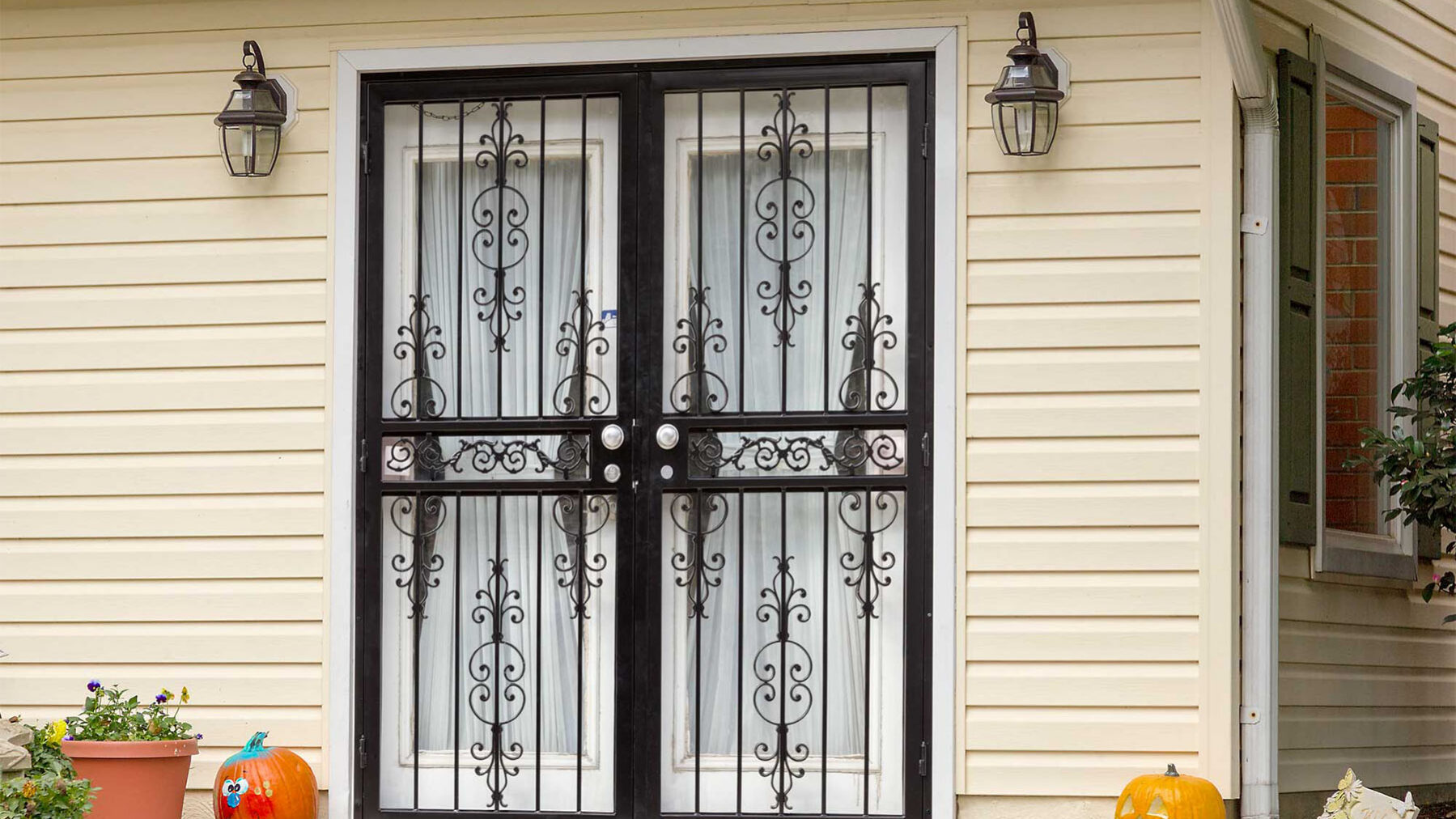
Aluminum storm doors are available in a variety of colors, finishes, and full-glass or ventilated panel configurations. Many models pair beautifully with decorative entry doors.
Affordability
Aluminum storm door replacement is typically more cost-effective than wood or fiberglass alternatives while still delivering strong performance and energy efficiency.
An upgraded, properly installed storm door improves airflow control, reduces condensation risk, and enhances home protection.
Storm door replacement and installation by Master Seal
If you’re experiencing recurring condensation, fogging, or icing issues, a professionally installed storm door replacement may be the right solution.
For more than 20 years, Master Seal has provided storm door installation and replacement services throughout Baltimore, surrounding
Maryland counties, and the greater DMV region. Our team ensures proper measurement, sealing, and ventilation alignment to help prevent future condensation problems.
We install durable aluminum storm doors designed for energy efficiency, improved airflow balance, and long-term performance.
Whether you’re located in Baltimore City, Baltimore County, Annapolis, Columbia, Silver Spring, or Northern Virginia, our team is ready to help.
Call 855.606.8293 today to schedule your free estimate for storm door replacement and installation.
Updated: March 2026